MINISTRY PUSHING FOR CLIMATE POLICIES
"Although the negative impacts of climate change occur across the globe, including in Indonesia, the government has not yet created any policies specifically designed to adopt to climatic changes that could further deepen the rate of poverty, especially in rural areas.
However, the environment ministry is drafting a decree that will require all local authorities to conduct scientific research on climate change to help them formulate measures needed to protect local communities.
Data from the State Ministry for the Environmental shows that scientific research assessing the policies needed to cope vith climate change has only occurred in West Nusa Tenggara (NTB).
Environmental policies targeting climate change should be sensitive to the how climate change affects each province differently, the ministrys environmental adaptation policy head, Dadang Hilman, told The Jakarta Post by telephone here over the weekend.
""Most local administrations still focus on mitigation matters designed to cut emissions because the potential of receiving money there is huge. Adaptation and mitigation in the climate change issue are two sides of the same coin. There must be balanced measures from the government.""
He said that such policies shouldbe made based on scientific research such as on the expected impact of rising sea levels in coastal communities or water crises in the agriculture sector. Research in NTB, jointly funded by the ministry, WWF Indonesia and GTZ, states that there will be changes in the wet season and a possible water crisis due to massive development in Mataram.
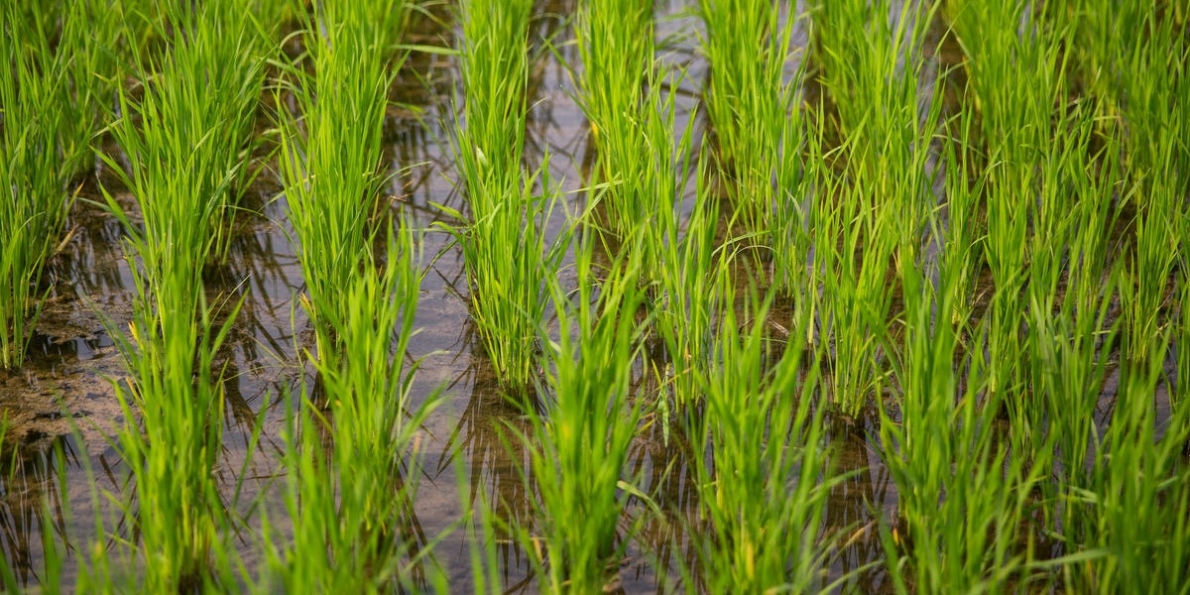
""If local farmers continue to use the same methods to plant rice pad-dies as before, there will be a big risk of harvests failing. This is one lesson that needs to be taken into account in the new set of policies,"" he said.
The report also warned of water scarcity in Mataram if the local administration did not shift its development approach.
Lombok regency in NTB has set up a special working group consisting of officials and activities, which includes running educational programs about climate change.
WWF Indonesia plans to develop a vulnerability assessment of cli-mate change in West Kalimantan, Tarakan in East Kalimantan and South Sumatra.
The intergovernmental Panel on Climate Change (IPCC) defines adaptation as ""adjustment"" in the natural or human system in response to the actual or expected climatic stimuli or their effects.
Climate change is predicted to increase global temperatures, bring about changes in weather patterns, cause sea levels to rise and increase the frequency of extreme weather events such as storms, floods and drought.
The government has repeatedly warned that Indonesia is very prone to the effects of climate change.
A study by the Asian Development Bank earlier said that hundreds of small islands in Indonesia faced the serious threat of rising sea levels, which would hinder sustainable development and poverty reduction efforts.
The study said that temperaturesin Indonesia were projected to rise 4.8 degrees Celsius per year by 2100 in Indonesia, which would cause sea levels to rise by 70 centimeters.
Indonesia covers S.8 million square kilometers, has a coastline that stretches as far as 81,000 kilometers and millions of people living in coastal areas. The country has about 17,500 small islands.
The government said that 65 percent of people living in Java, the most populated island, were situated along coastal areas.
The ADB study also warned that rainfall levels would also decline over the next 20 years in Indonesia.
The WWF head of the environmental adaptation unit, Ari Muhammad, said that adaptation strategies should be initiated now to minimize the economic losses caused by climate change.
""It is urgent, but the country has problems with a lack of capacity to formulate adaptation policies to tackle climate change,"" he said.(Adianto P. Simamora)