WAKATOBI FISHERMEN NOW HAVE TO GO FURTHER OUT TO SEA
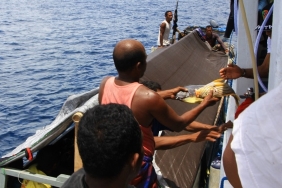
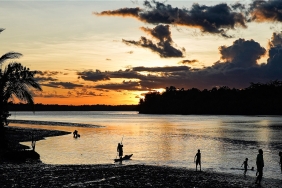
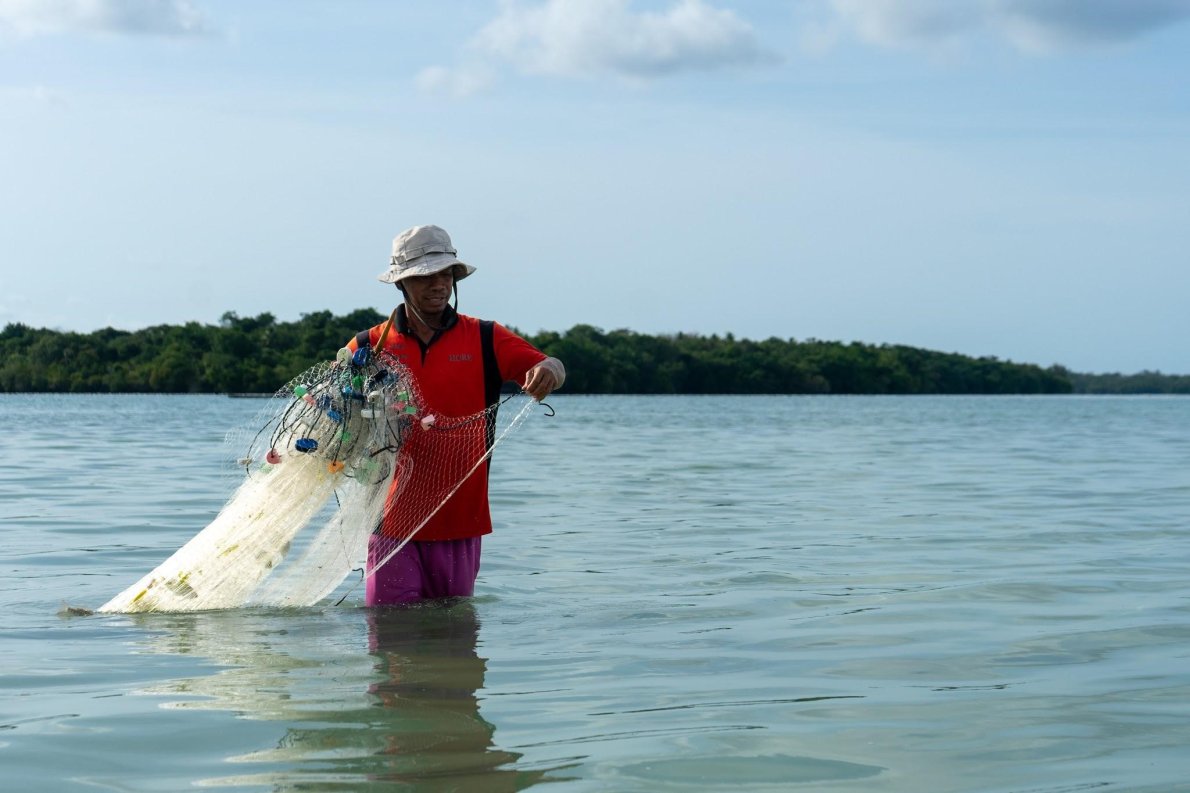
The fish caught by fishermen in Wakatobi, Southeast Sulawesi, in the waters near their village are now small. According to Mr. Muhsan, a resident of Wali Village on Binongko Island, fishermen used to be able to catch plenty of fish just by fishing there. Now they have to go further out to sea to catch them. Yet most Wakatobi fishermen are small-scale fishermen with limited range at sea. According to Mr. Sarpin, also a resident of Wali, most fishermen there use katingting, small outboard motorboats that are only suitable for shallow waters.
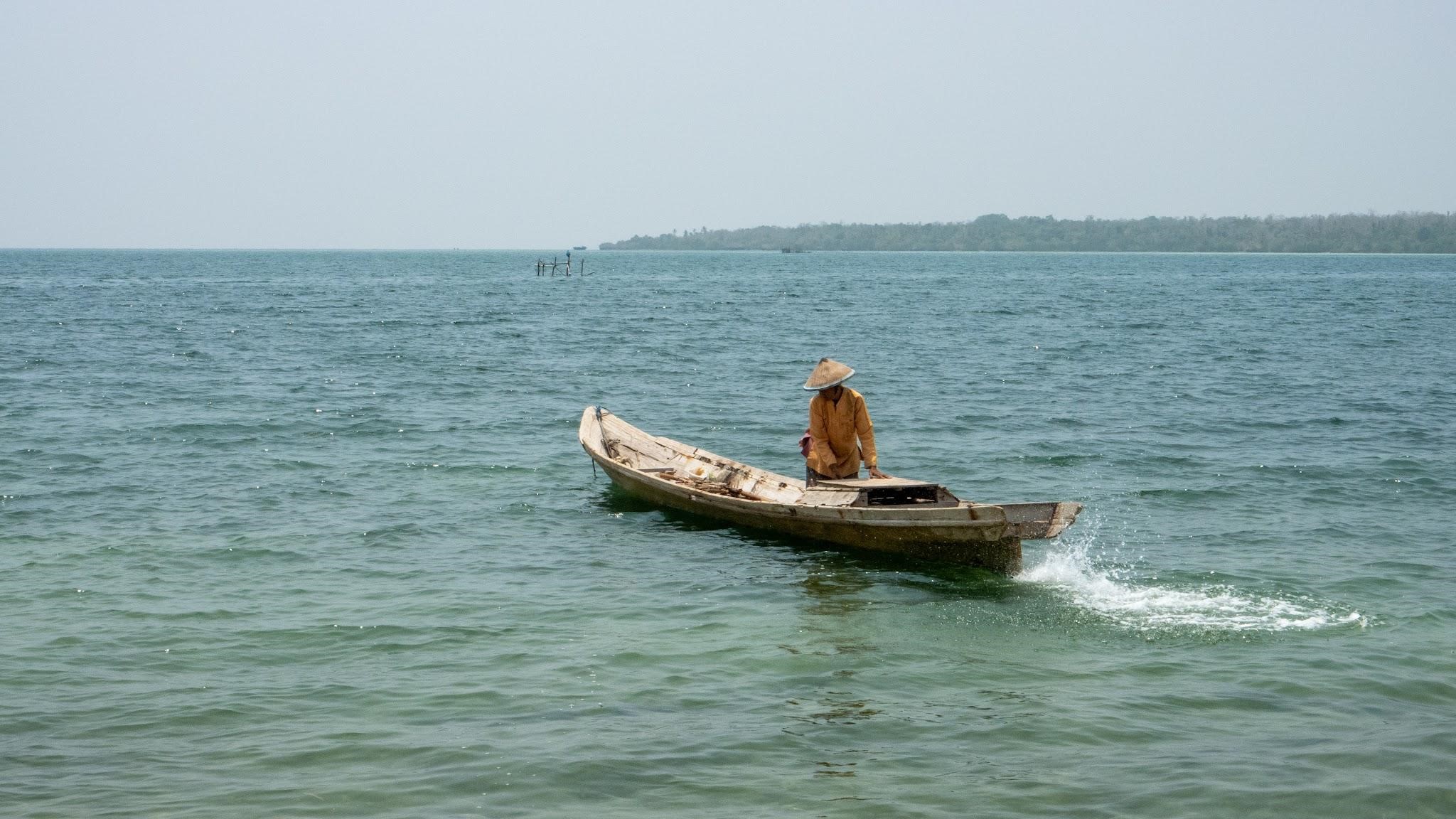
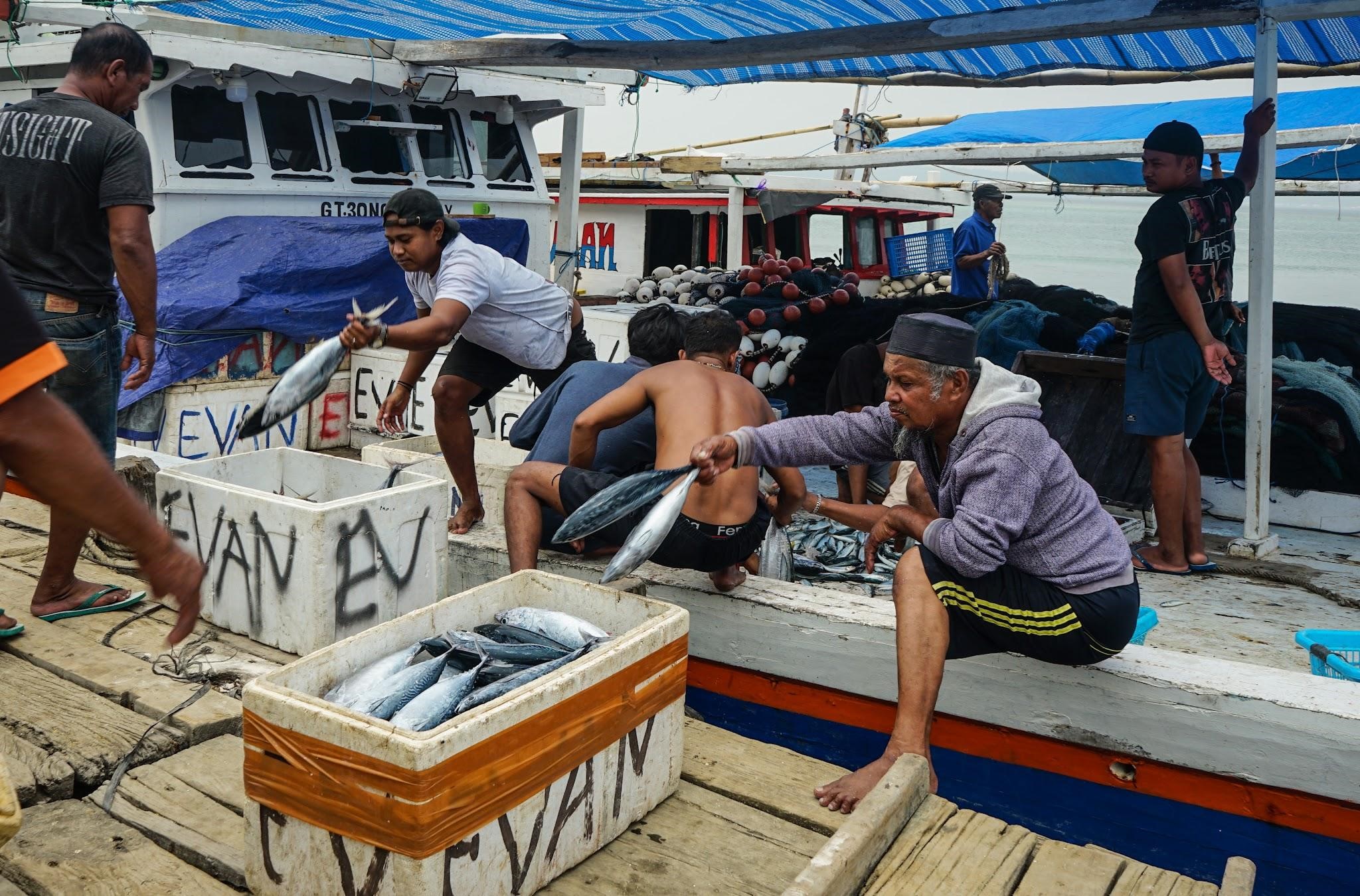
According to Lakina La Ode Sa'arimu, the highest traditional leader in Wali, during the rough-sea season fishermen cannot even go out to sea. In Jaya Makmur Village, as well as in Binongko, Imam Jaya Makmur noted that some fishermen stop going out to sea for months during the east monsoon season, then switch to collecting stones. During a meeting in Liya, on Wangi-Wangi Island, the issue of fish getting smaller was also discussed, along with the pressures from human activities as well as wind and waves. Therefore, protecting the waters of Wakatobi means safeguarding fishermen’s livelihoods.
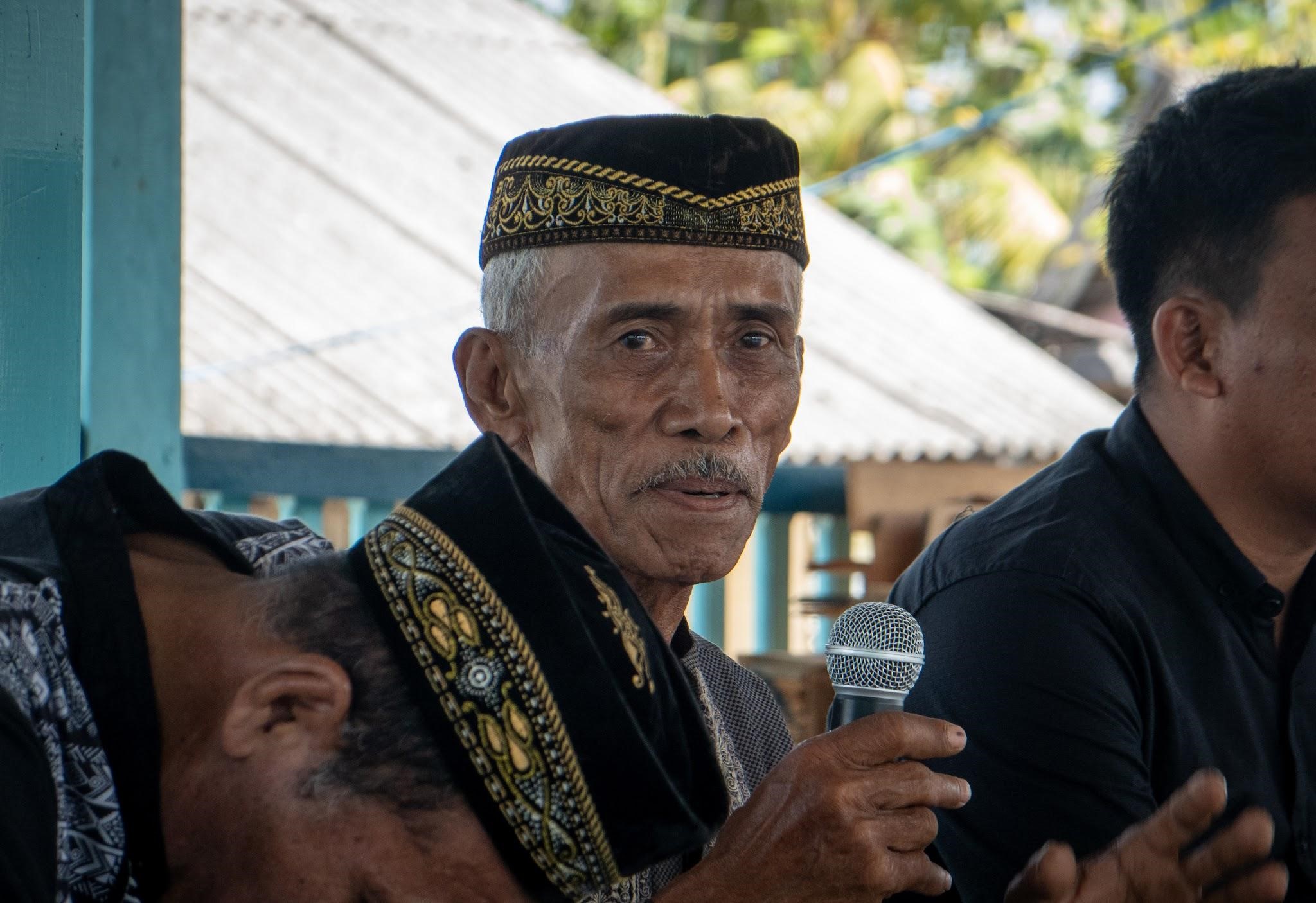
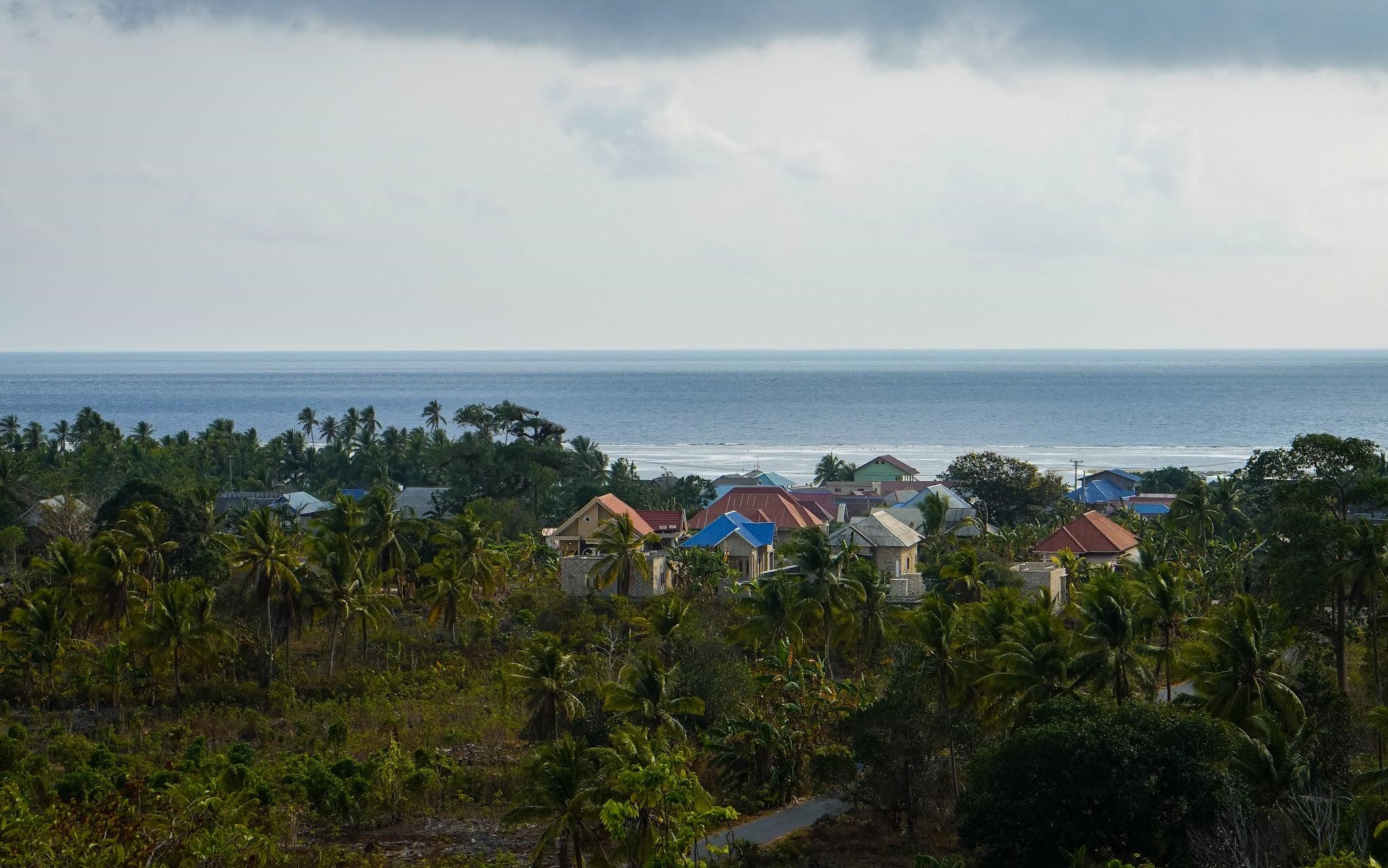
WWF-Indonesia’s sustainable fisheries program in Wakatobi for 2026–2028 is designed with indigenous communities at the forefront of fisheries resource conservation. The program focuses on strengthening indigenous institutions, promoting sustainable fishing practices, conducting scientific data collection, and developing policy recommendations. Nearly all of Wakatobi’s waters are located within Wakatobi National Park, a conservation area under the Ministry of Forestry that is also a UNESCO Biosphere Reserve. Part of the marine area is also managed by indigenous institutions. Therefore, these institutions were consulted first to ensure the program aligns with existing governance structures.
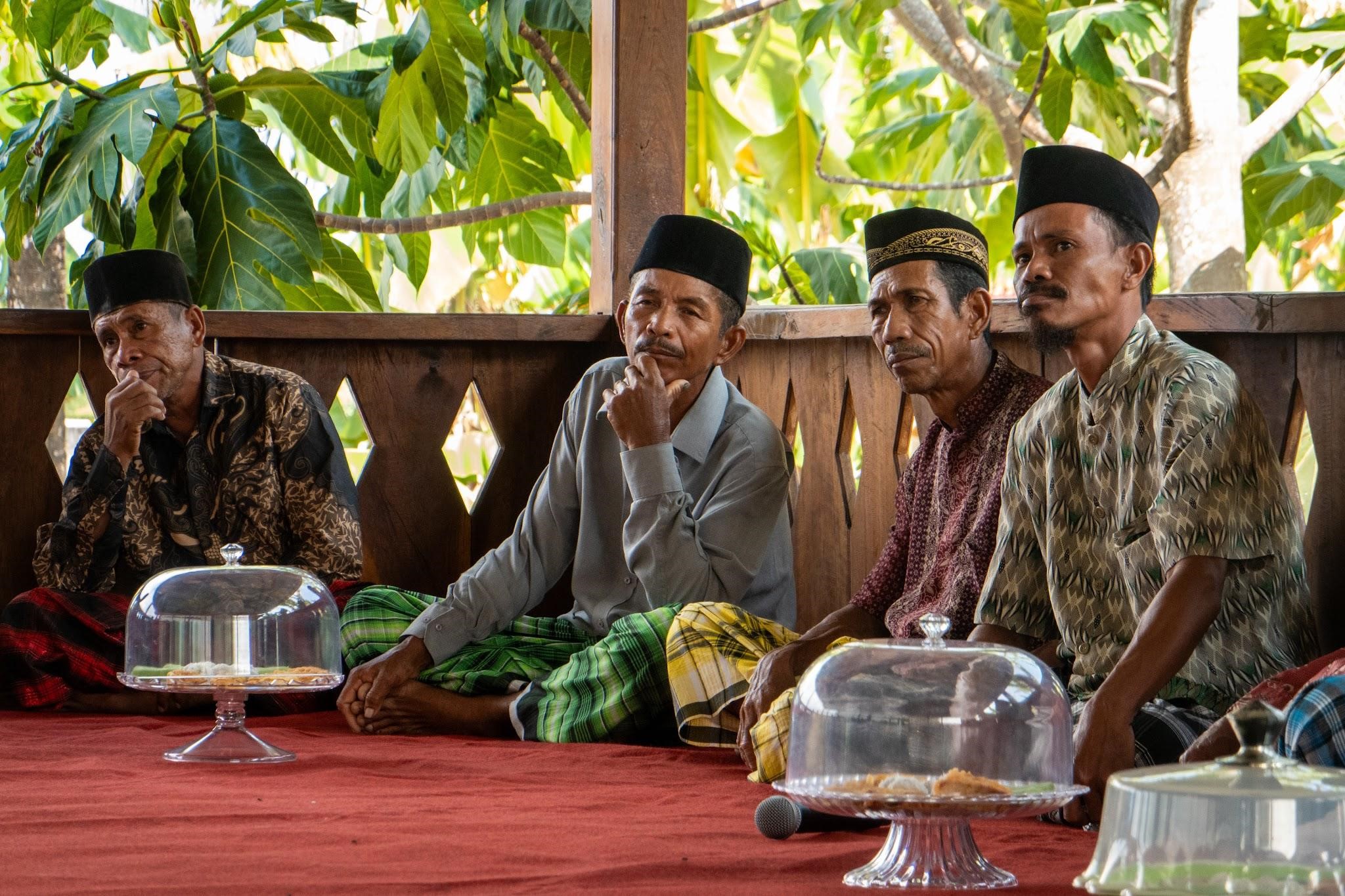
On October 13 and October 15–17, 2026, a WWF-Indonesia team visited three indigenous institutions and two fishermen’s organizations to educate the community and present the program plan. After the program was fully explained, the indigenous institutions were asked to decide whether the program could be implemented in their managed areas, and they had the right to refuse without pressure. Two fishermen’s organizations were offered the role of implementing partners. Some of the meetings were attended by the Wakatobi National Park Office through the Regional III National Park Management Section, village and subdistrict governments, the Wakatobi Regency Fisheries Office, the Wakatobi Regional Development Planning Agency (Bappeda) , and the Wakatobi Marine and Fisheries Community Academy.
The series of meetings began on October 13 at the Lagundi Secretariat in Liya, together with Sara Adat Kadie Liya. Sara is a traditional institution. Kadie Liya is a traditional territory inherited from the Buton Sultanate that now encompasses five villages. Liya has Laloa, a customary rule that closes certain locations year-round and opens them only during the baronang fish spawning season—known locally as borona. Similar rules apply to surei fish, ruma-ruma, and solo-solo octopus.
According to Mr. La Ode Mane, the custodian of Sara Liya, borona only carry eggs on the first night of their appearance, even though sero—the residents’ permanent fish traps—had already caught them starting that very night. Traditional leaders then requested that Laloa be reviewed to ensure more measured management. This request was included in the 6-point agreement.
On October 13, the team also met with Komanangi, the Wangi-Wangi Fishermen’s Community. This organization supports the communities of Wangi-Wangi and Kapota Island. According to Mr. La Juma, a Komanangi board member, the temporary closure of the octopus farming site on Kapota is now in its 10th phase. Komanangi has expressed its willingness to serve as an implementing partner. Its support includes institutional strengthening, networking among inter-island fishermen’s forums, and advocating for fishermen’s proposals to the government.
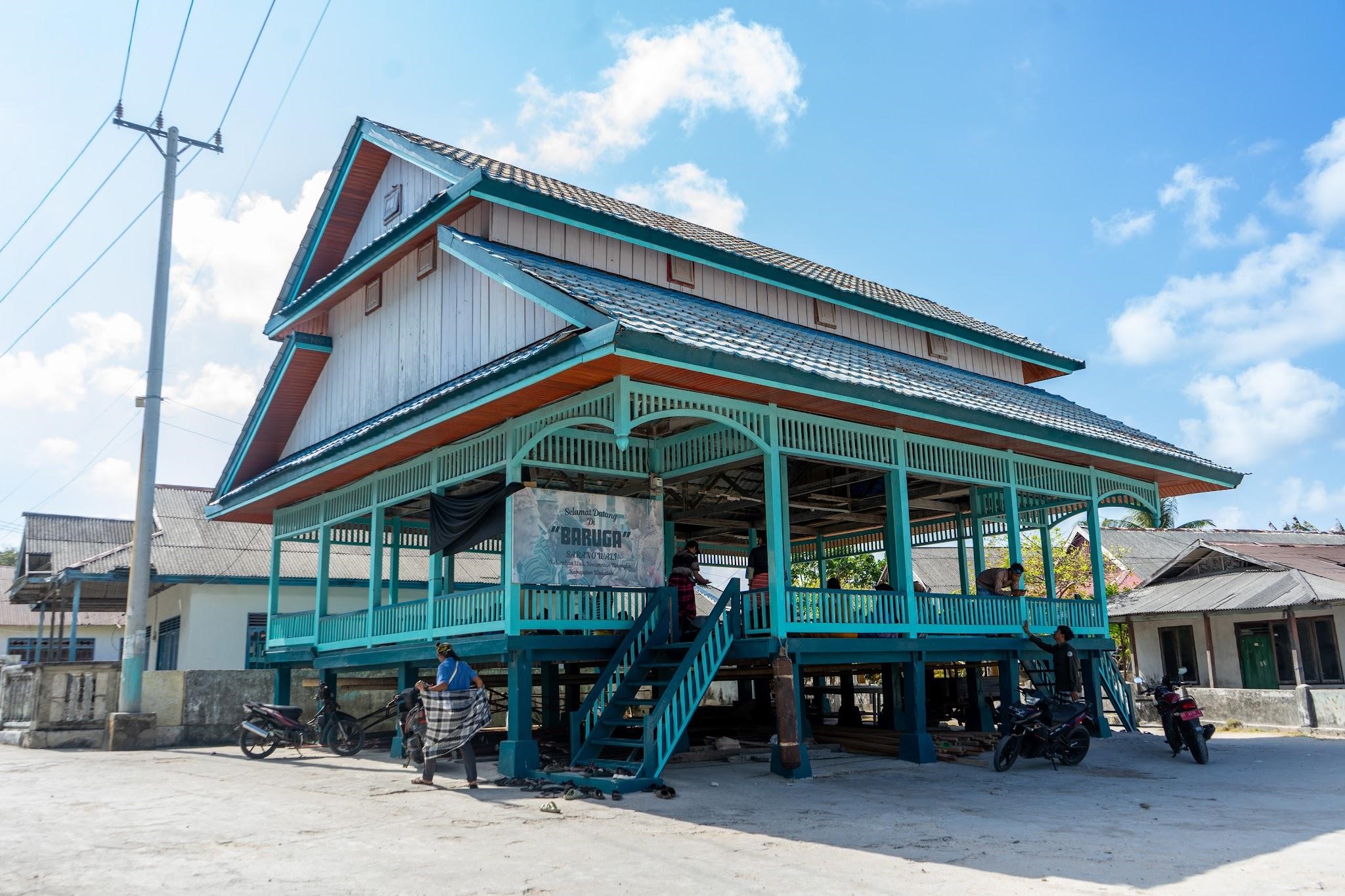
In Binongko, the meeting took place over three consecutive days, beginning on October 15 at Baruga Sarano Wali, the traditional hall where important decisions are made. The Sarano Wali indigenous community safeguards the kaombo, a marine area where no one is permitted to catch anything. The Sarano Wali customary institution has been recognized since 2016. Its customary-based marine management is formalized through Wakatobi Regent Regulation No. 29 of 2019. The program in Wali is aimed at strengthening kaombo, and the meeting concluded with the signing of a memorandum of understanding.
According to traditional leaders, fishermen from outside the village often enter the kaombo area. Some of the coral within it has also been broken after boats ran aground. They propose that monitoring be implemented and that information about kaombo and its restrictions be widely disseminated. Sarano Wali customary rules also prohibit diving with a compressor—that is, using an air hose connected to a motor on a boat. Warnings to violators have not yet yielded results. Enforcement will be carried out in collaboration with the Wakatobi National Park Office and the local government.
On the second day, October 16, the meeting continued at Baruga Jaya Makmur. Plans discussed included gathering data on potential resources, improving community skills, and developing a community-based management plan for the area. These discussions will continue with the broader community. The third day concluded with the Binongko Fishermen’s Forum, an organization that tracks catch data in the villages of Binongko and has seven board members.
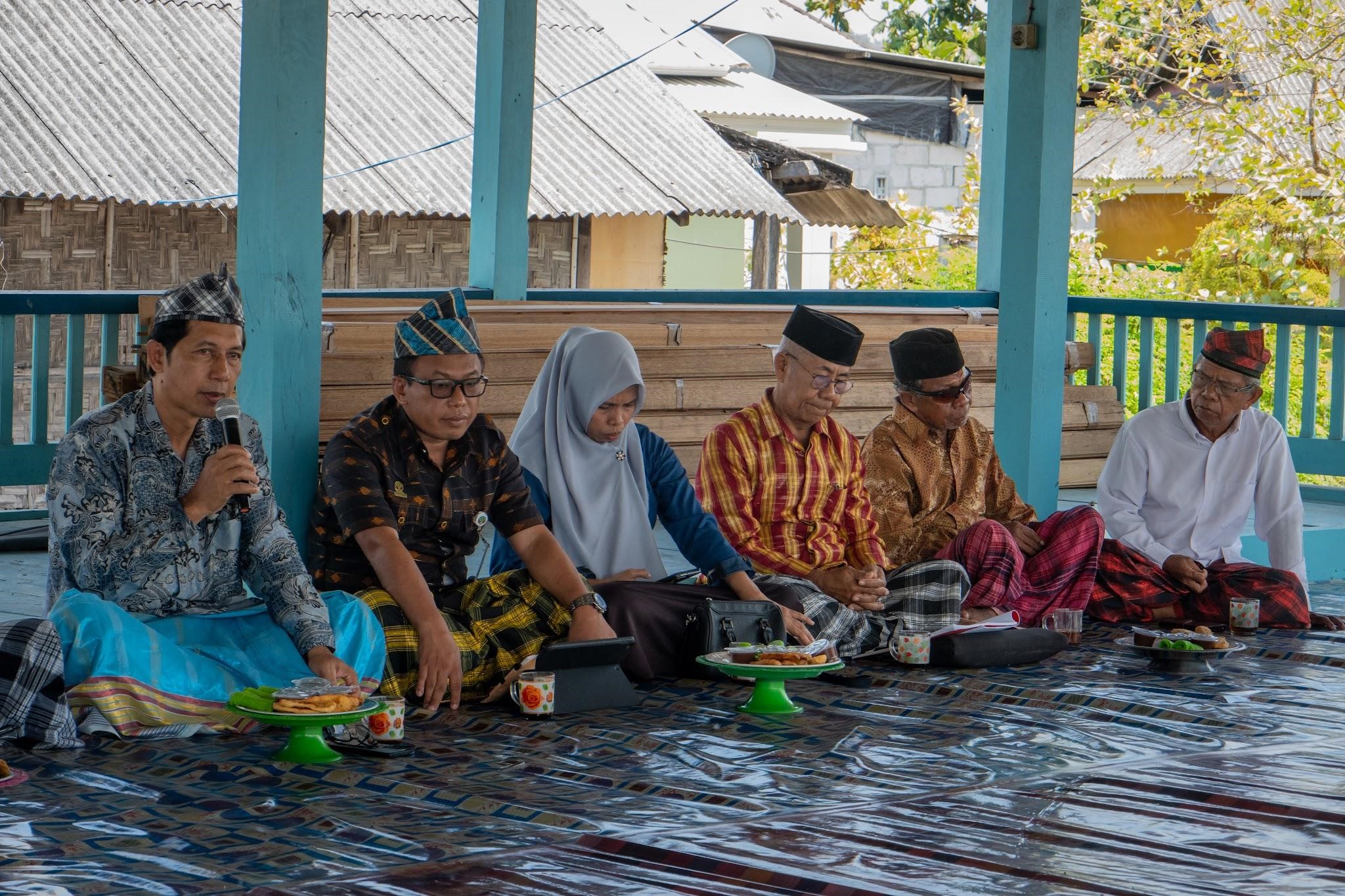
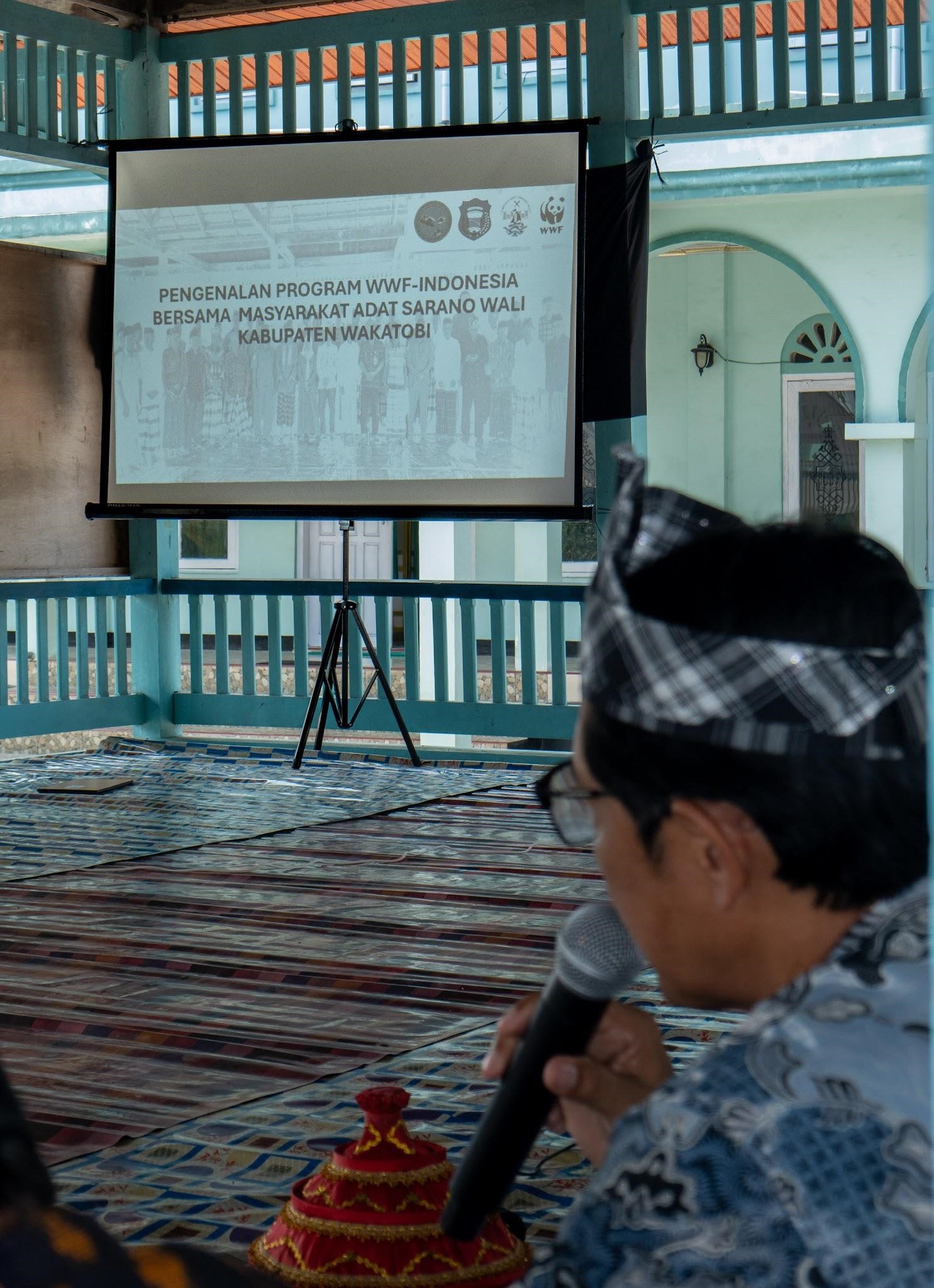
The nature of activities at each institution will be determined based on a needs assessment conducted by experts. The Liya and Komanangi traditional communities have begun holding regular monthly meetings. The Sarano Wali Traditional Institution is drafting a written plan for the management of its marine area, including a proposal to expand the kaombo. The Binongko Fishermen’s Forum will respond to the partnership offer once its internal meeting and needs assessment are complete.
The results from the five institutions will be brought to the district level. Their annual work plans will be aligned with the programs of the Fisheries Department and the Wakatobi National Park Office, with facilitation from Bappeda. Fisheries issues are discussed in the Wakatobi Fisheries Working Group to be formulated into policy recommendations that specify the implementing parties and their respective responsibilities.
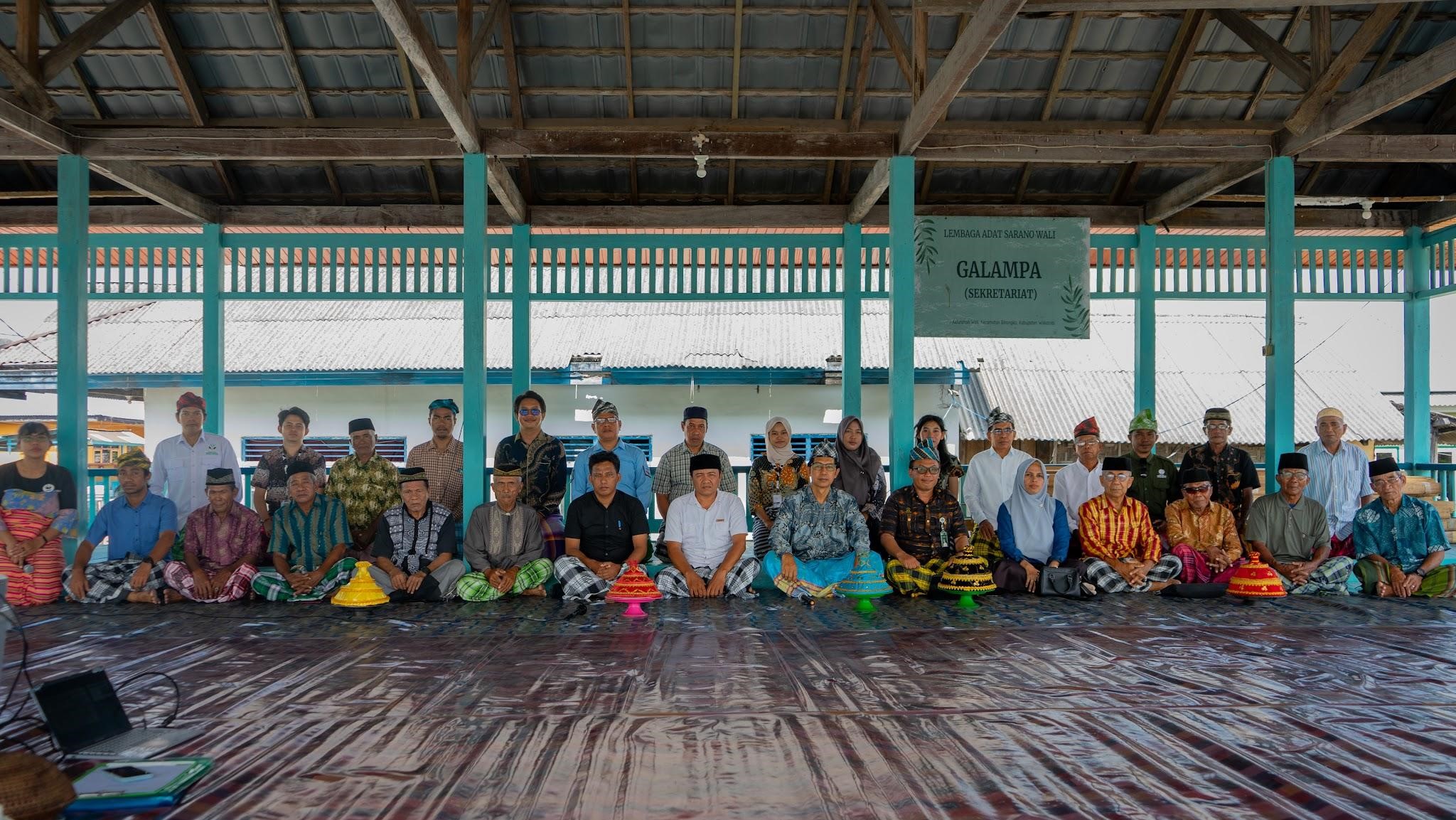
According to Lakina Sa'arimu, the kaombo area is protected as a spawning ground for fish. The adult fish then leave and spread out to the coast of Binongko, where fishermen are free to fish. “This means we nurture it and protect it so that the community can also enjoy it,” he said.