THE GREEN TURTLE
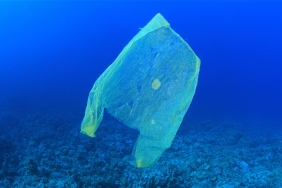
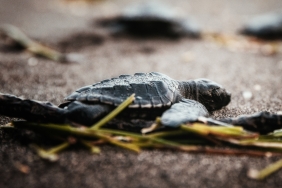
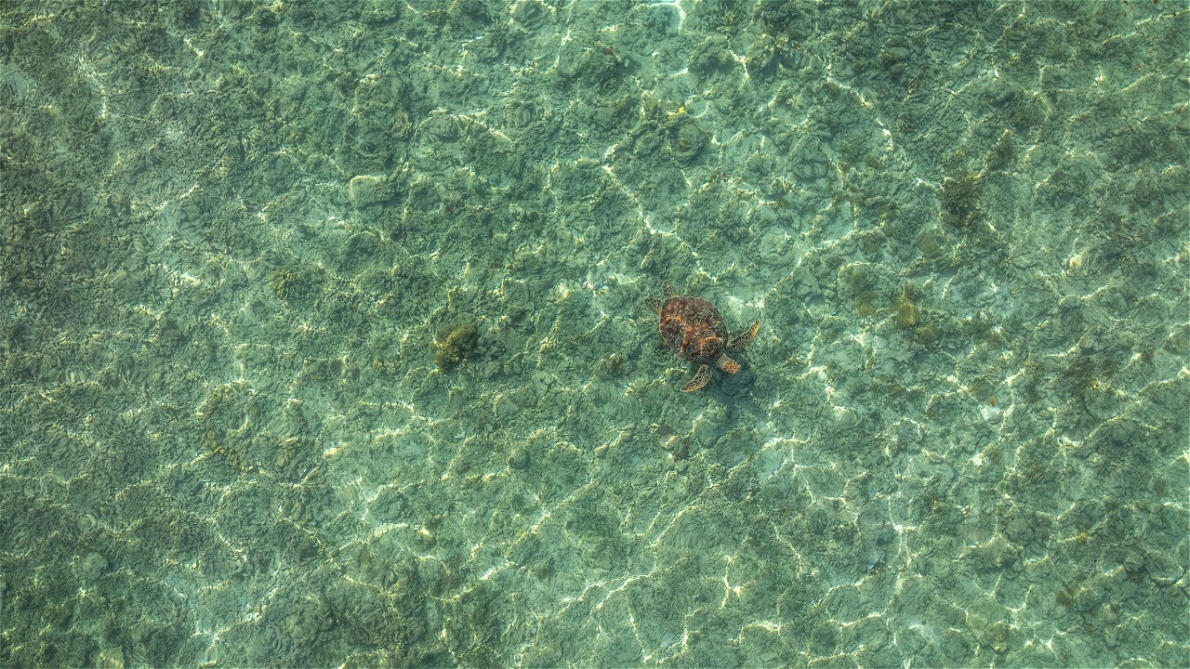
The largest hard-shelled sea turtle, the green sea turtle, Chelonia mydas, is also one of the most abundant and commonly encountered species in Indonesia. Unfortunately it is the one most targeted for meat and the population is getting smaller fast. In the ocean, green turtles face threats from entanglement in fi shing gear and from marine debris. On land, turtle eggs are taken for sale and eggs and hatchlings are also eaten by predators.
Sea grasses and algae are the green turtles’ preferred food and are amongst the most productive ecosystems on the planet. These food items are quickly digested by the green turtles and become available as recycled nutrients to the plants and animals that live in the sea grass beds. Healthy sea grass beds are nurseries for many species of invertebrates and fi sh, most of which are valuable for fi sheries and communities. Without grazing by green turtles, the sea grass blades grow too tall, and choke from sediments that obscure the light and further promote diseases. Thus, seagrass beds and turtles co-exist in mutually benefi ciary ecosystem relations.