WWF INDONESIA X PT PLN (PERSERO) LEAP WORKSHOP: INTEGRATING NATURE INTO BUSINESS OPERATIONS
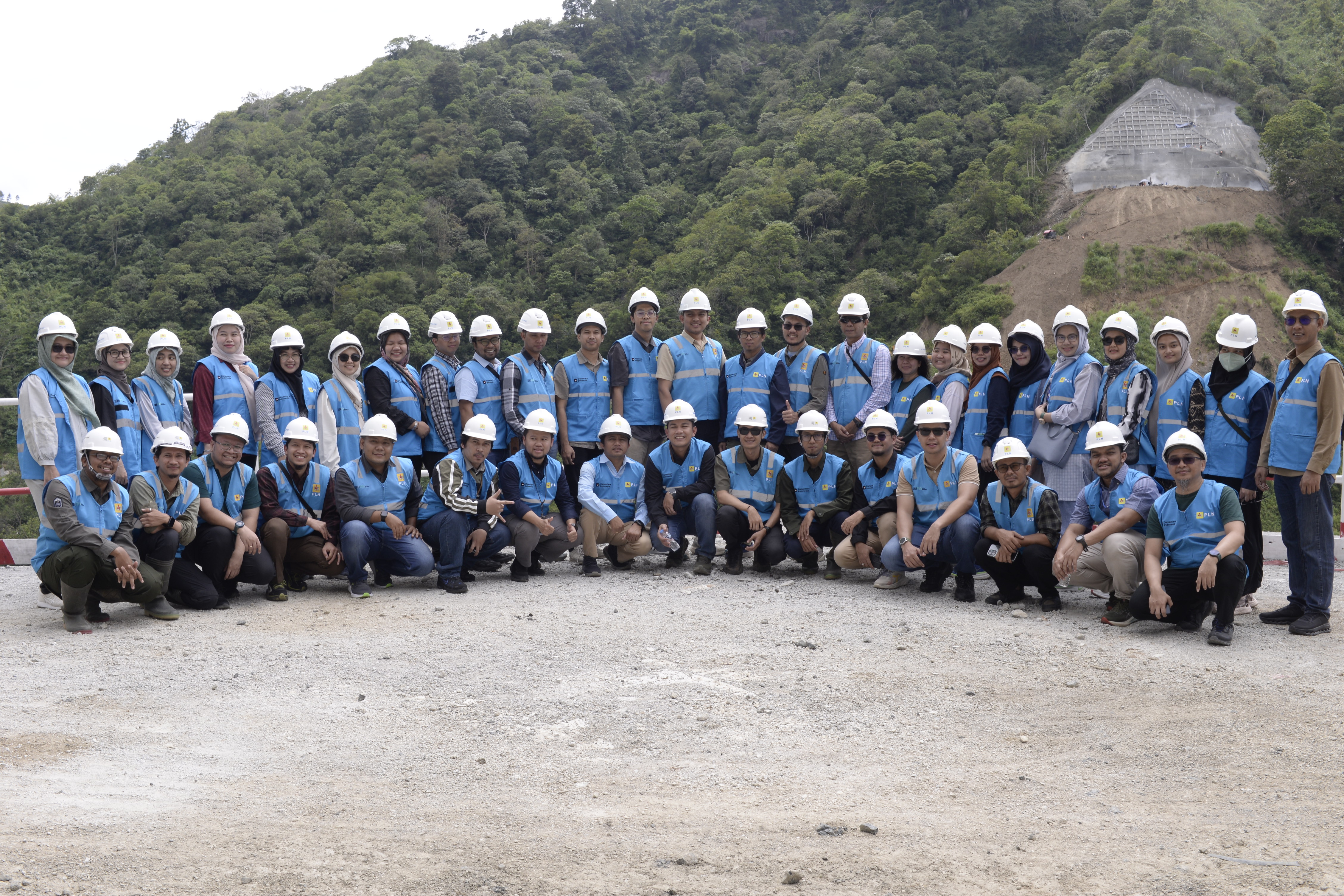
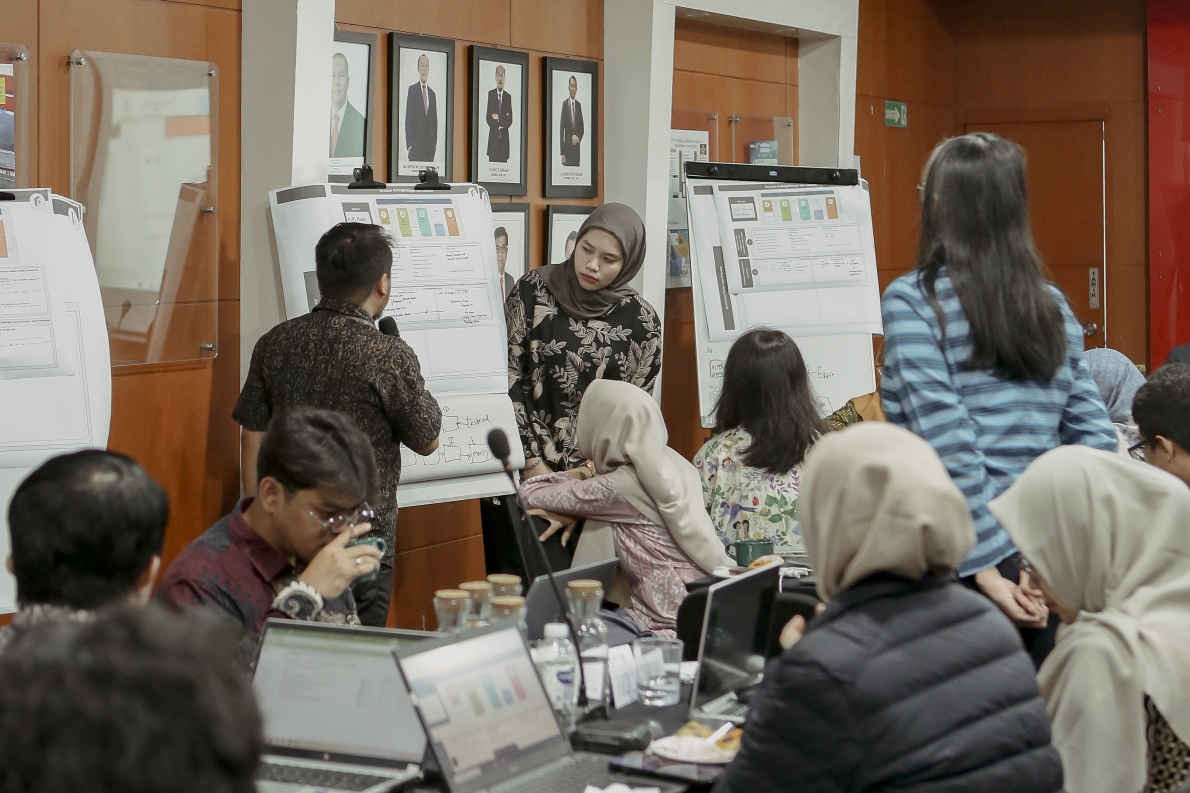
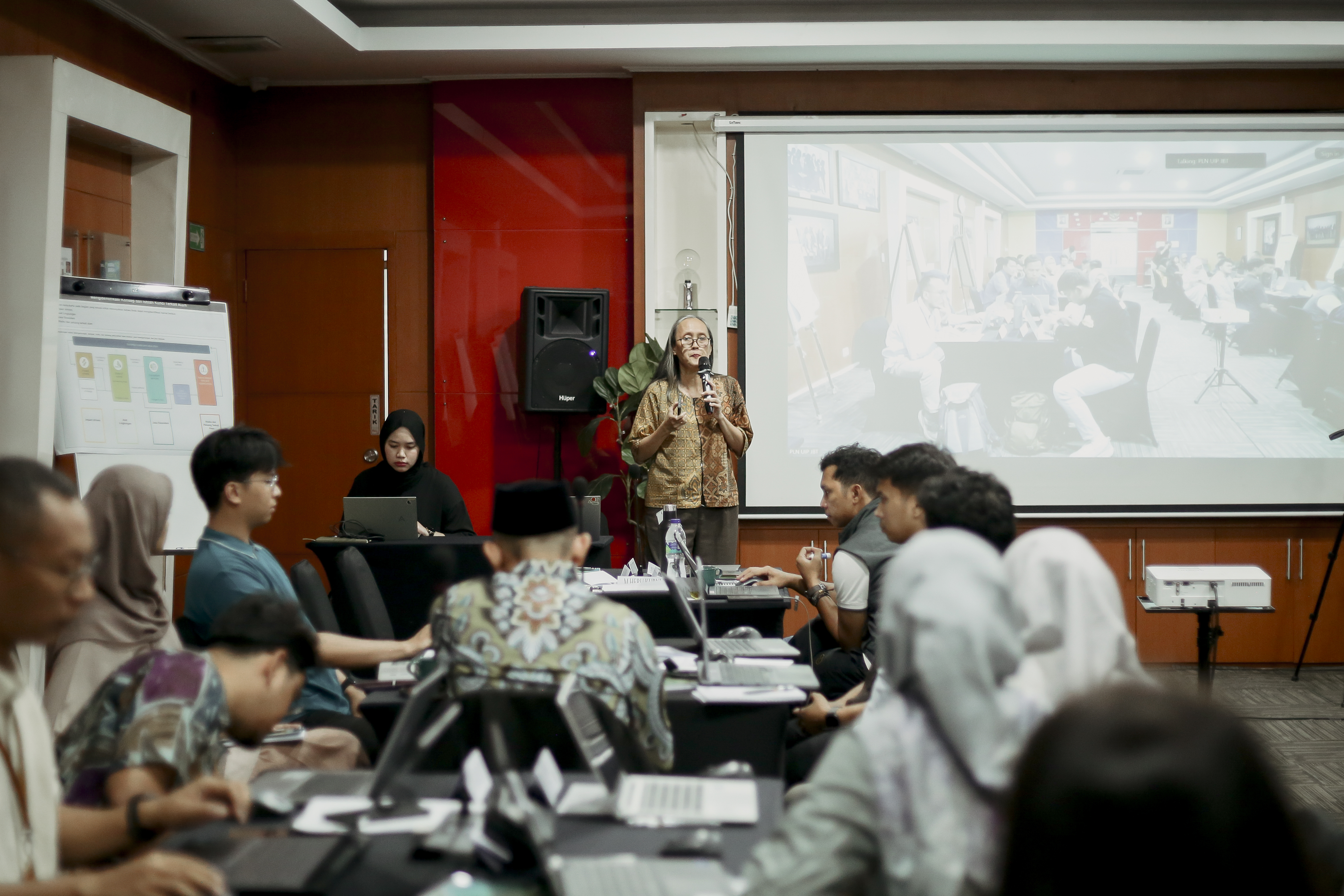
The three-day Business and Nature Workshop using the LEAP TNFD framework ignited new energy within PT PLN (Persero) in November, bringing together unit level practitioners to strengthen nature-based decision making across all PLN’s business activities. Held from 26-28 November in Bandung, the program combined in-depth classroom sessions at the UIP JBT Bandung with a full day site visit at the Upper Cisokan Pumped Storage Hyropower Project.
The workshop, jointly delivered by WWF-Indonesia and PT PLN (Persero), comes on the heels of PLN’s milestone achievement as the first Indoensia company to publish a Taskforce on Nature Related Financial Disclosures (TNFD) report in 2024, followed by its second report in mid-2025. This Initiative marks the next step by translating high-level commitments into real implementation at the operational frontlines. As the company moves from commitments to practical implementation, the workshop served as a crucial platform to align unit-level operations with PLN’s growing ambition toward nature positive governance.
Throughout the sessions, participants explored the LEAP (Locate, Evaluate, Assess, Prepare) framework, the core methodology of TNFD. Facilitated by WWF Indonesia, the discussions unpacked how business activities depend on and impact natural ecosystem, how these interaction translatate into risks and opportunities, and how unit-level data can meaningfully feed into corporate nature strategies. Participants try to consolidated their findings using both internal documentation and global analytical tools that WWF bring, such as the WWF Risk Filter Suite. The workshop culminated in the development of unit-level LEAP drafts, forming a foundational step toward identifying and managing Dependencies, Impacts, Risks, and Opportunities (DIRO) in a systematic and science based manner.
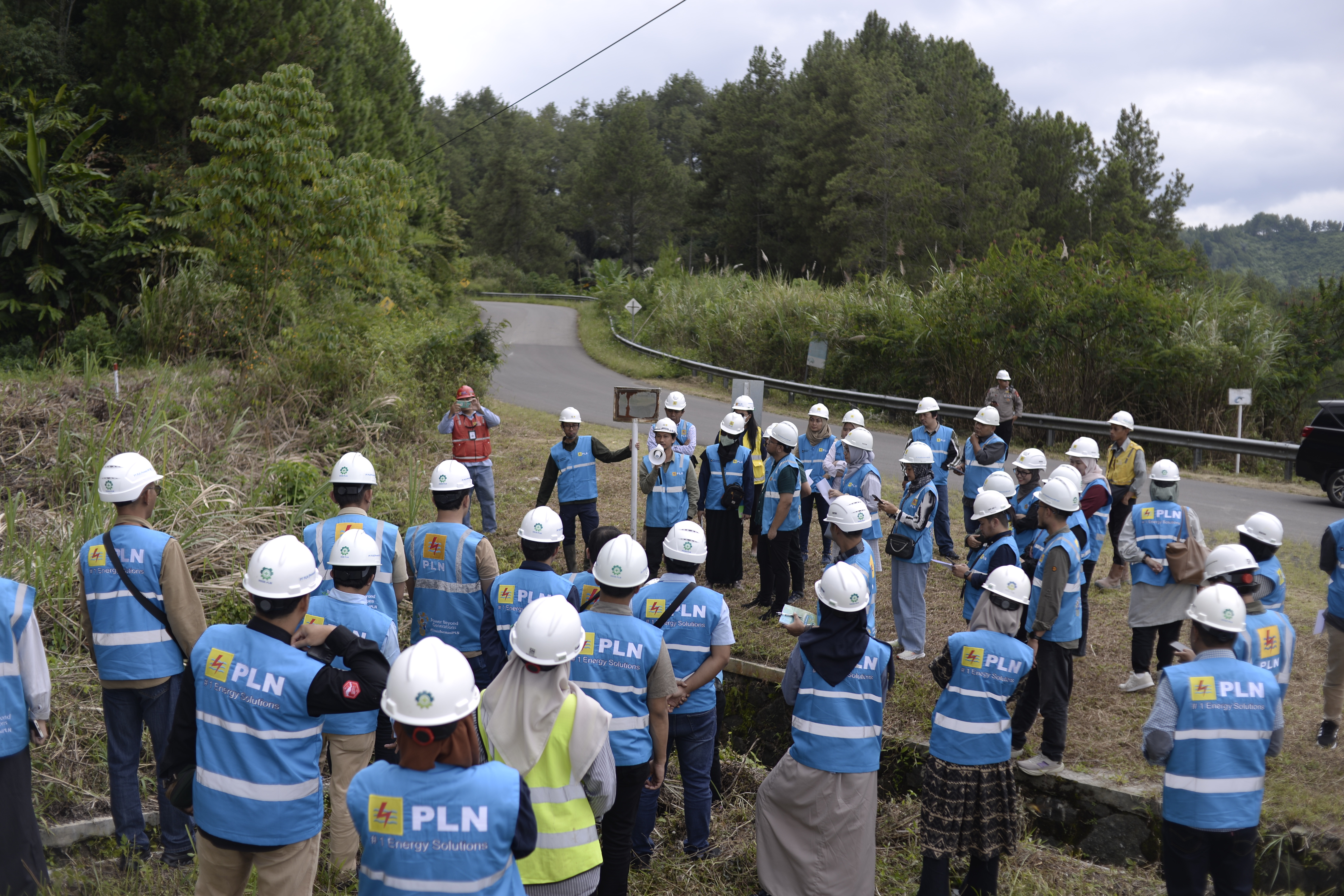
During the site visit at PLTA Upper Cisokan Pumped Storage, the participants conducted assessments across several priority Biodiviersity Important Area (BIA) points. At BIA 1, Pangolin Tunnel, participants observed mitigation structures designed to maintain habitat connectivity for pangolins and other terrestrial fauna. The visit continued to BIA 4, Reforestation Area, where restoration efforts are underway to rehabilitate degraded land and enhance long term ecosystem services. The last field stop BIA 5, Monkey Bridge, showcased a simple canopy overpass that supports arboreal wildlife crossings, demonstrating how biodiversity sensitive design can reduce habitat fragmentation around energy infrastructure. The visit offered a real world context for assessing environmental dependencies as well as management practices that already being applied on the ground.
The workshop offered a more holistic lens on the integration between infrastructure, ecosystems, and local biodiversity. The collaboration with PLN demonstrated a concrete example of how nature-related considerations can be systematically integrated within the energy sector. WWF-Indonesia views this workshop as an initial step toward expanding the application of the TNFD framework and the LEAP approach across more companies and development sectors. This effort is expected to encourage a wider range of businesses to understand that the purpose of TNFD goes beyond reporting, its core aim is to ensure that business decisions fully account for dependencies and impacts on nature, enabling companies to better manage risks and maximize opportunities toward a nature-positive future.