PROMOTING SUSTAINABLE LANDSCAPE MANAGEMENT IN BUKIT TIGAPULUH LANDSCAPE VIA PROTECT30
Bukit Tigapuluh landscape, located across Jambi and Riau in Sumatra, Indonesia, is one of the island’s significant forest landscapes. This critical ecosystem is home to approximately 10% of the endangered Sumatran elephant population, a significant portion of the wild Sumatran tiger population, and orangutans living in their reintroduction sites.
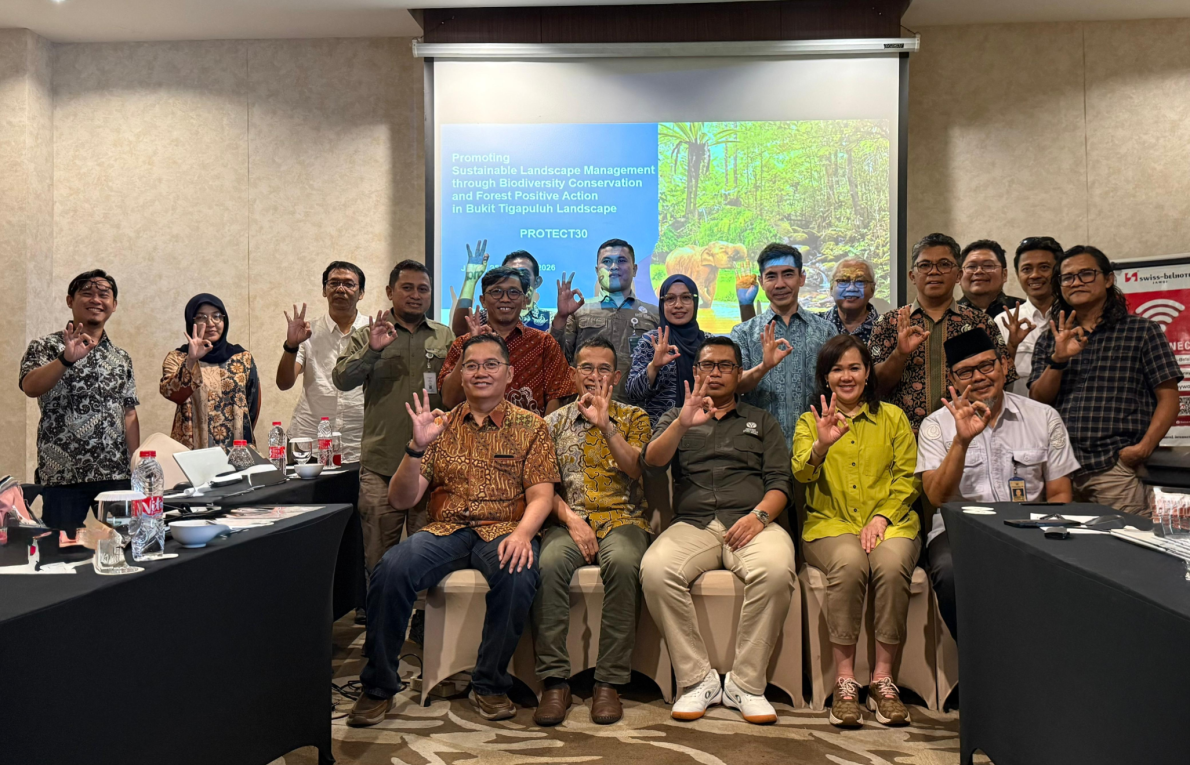
Recognising the urgent need to safeguard biodiversity in this unique landscape, APP, together with the consortium of Proforest, WWF Indonesia, and KKI WARSI, has introduced the PROTECT30 Initiative (Promoting Sustainable Landscape Management through Biodiversity Conservation and Forest Positive Action in Bukit Tigapuluh) in 2026.
PROTECT30 aims to enhance sustainable landscape management and biodiversity conservation in Bukit Tigapuluh landscape through sustainable, equitable and inclusive governance and forest positive actions, contributing to the societies’ wellbeing.
The initiative will be implemented collectively by establishing clear governance structures, agreed methodologies, and practical coordination between public, private, and civil society actors. It also contributes remediation activities aligned with the requirements of the Forest Stewardship Council (FSC) Remedy Framework.
The initiative, currently in its early implementation stage, is engaging with Indonesia’s Badan Konservasi Sumber Daya Alam (BKSDA, or Natural Resources Conservation Agency), Dinas Kehutanan Provinsi Jambi (DISHUT or Jambi Provincial Office of Forestry), Balai Taman Nasional Bukit Tigapuluh (BTNBT or Bukit Tigapuluh National Park Agency) and other relevant local government agencies to develop a long-term conservation and restoration programme that supports sustainable livelihoods and its implementation.
PROTECT30 is also aligned with The Consumer Goods Forum (CGF) Forest Positive Coalition vision and mission in helping deliver the change needed by accelerating efforts to remove deforestation from commodity supply chains and encouraging more transformational change in key commodity production landscapes.
For further information, contact dsetiawan@wwf.id