HOW CAN OUR GOOD INTENTIONS ACTUALLY MAKE THE SITUATION WORSE FOR VULNERABLE ANIMALS?
Before leaving, my goal was actually very simple: to see sea turtles. I also wanted to take a photo or two to share on my personal Instagram story. After all, I’d never actually seen a sea turtle in person—until now, I’d only seen them on YouTube, TV, and in the science magazines I often collect. That’s why, on this first trip to Bali, I headed straight to a small island called Serangan, south of Denpasar, which is known as one of Indonesia’s “Turtle Islands.”
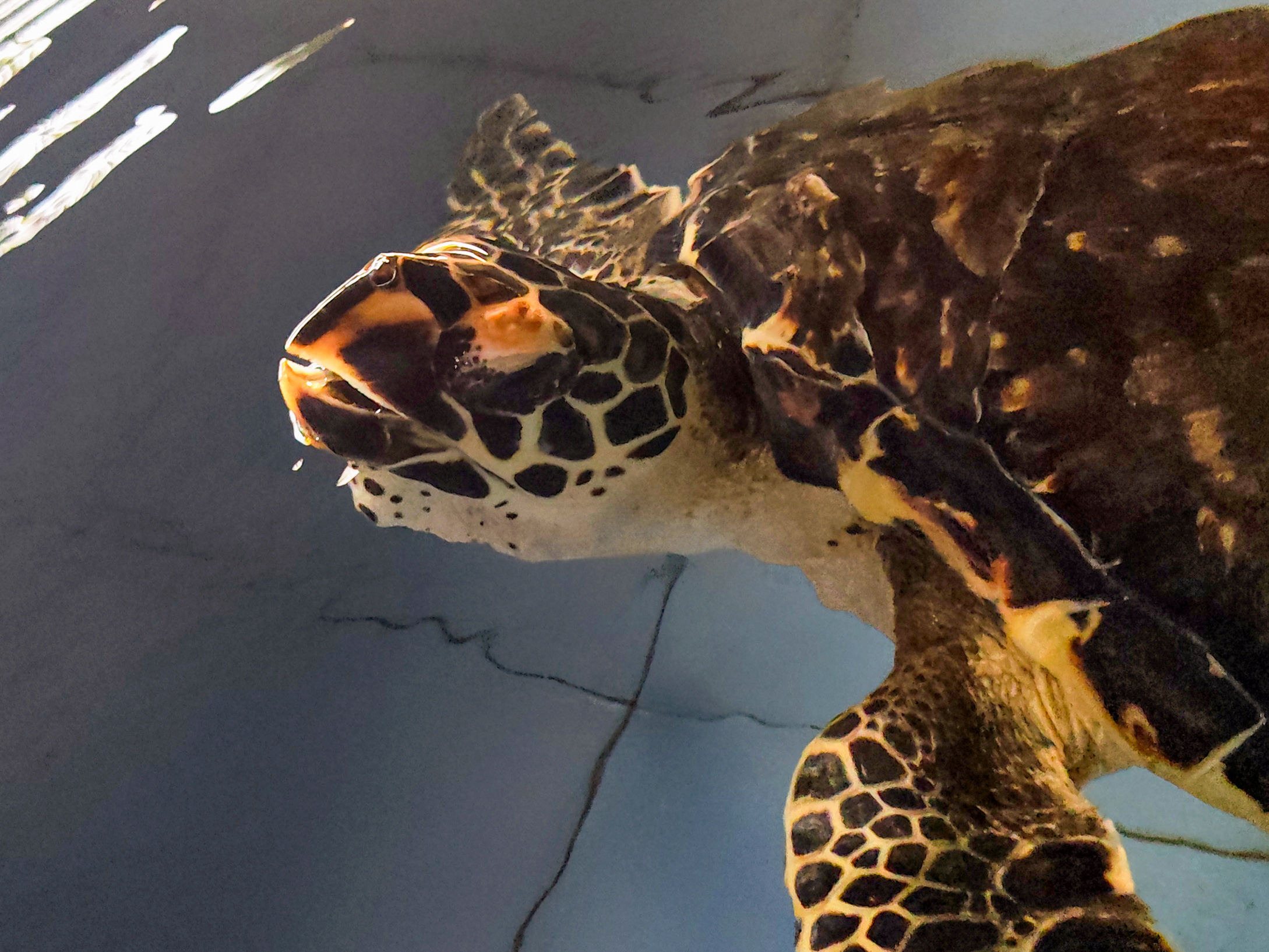
After about half an hour riding a rented motorcycle, I finally arrived at the Turtle Conservation and Education Center (TCEC). After meeting with the conservationists there, we immediately saw several species of sea turtles, one of which was the hawksbill turtle. Its shell has a very distinctive pattern, making it easy to recognize, and features sharp, saw-like edges along the rim. According to the guide there, this turtle is a species listed as “Critically Endangered” by the IUCN, meaning it is one step away from extinction. I immediately wondered at that moment—especially while observing it from less than a meter away—whether the children born today will still be able to see this turtle several decades from now?
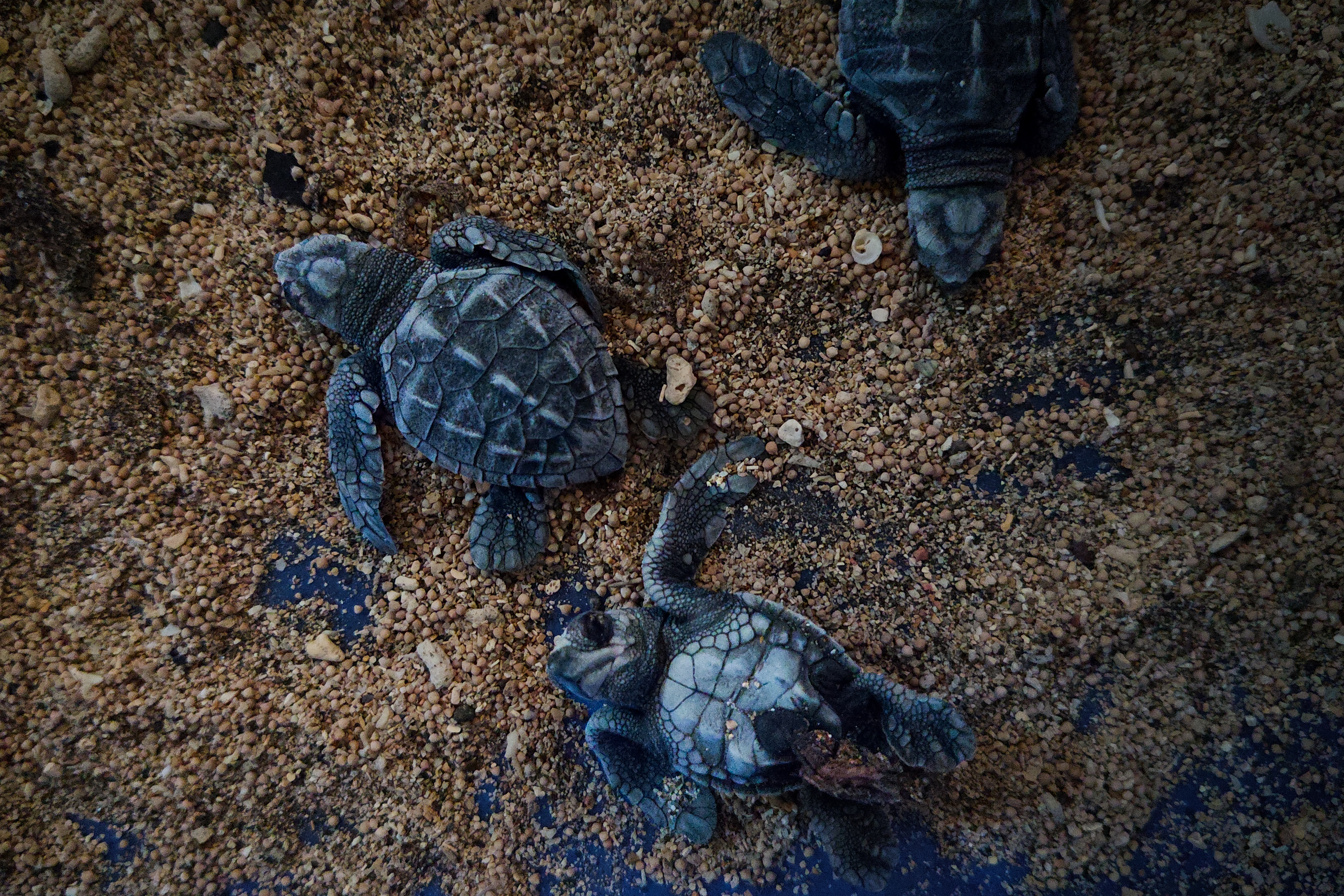
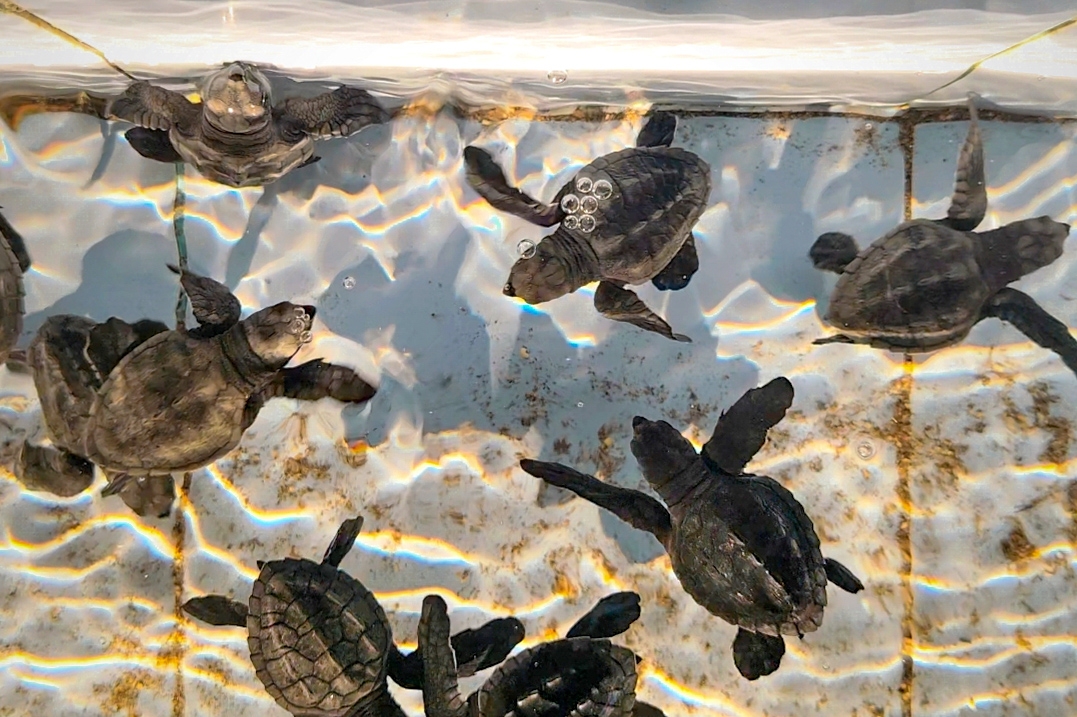
On the right side of the pond, dozens of sea turtle eggs are being incubated in an artificial sand bed, along with signs indicating their species, there are also eggs placed inside a machine that looks like a “microwave”—it is actually an incubator designed to maintain the appropriate temperature and humidity for the sea turtle eggs. In a much shallower pond, there are hatchlings—the term for newly hatched baby sea turtles. Here, the sea turtle eggs are monitored until they hatch, while the hatchlings are cared for during the early stages of their lives before eventually being released into the ocean. The facility was indeed built to help improve their chances of survival during these early stages of life here. Before this, I had never really thought about how a sea turtle begins its life. All I knew was that sea turtles lay their eggs on the beach and then return to the ocean. That day, I saw how parts of that process now require human assistance—from protecting the eggs and monitoring the nests to caring for the hatchlings before they’re released. The longer I stayed there, the more questions arose. How many changes have occurred to the point where part of a sea turtle’s early life now requires this kind of assistance?
Friends at TCEC shared that the connection between Serangan Island and sea turtles existed long before Bali became the tourist destination it is today; sea turtles have been coming to lay their eggs on the island’s beaches for a very long time. However, following the massive land reclamation project from 1995 to 1998, the sea turtle population in this area has continued to decline to this day. If you want to see sea turtles in person, your best bet is to visit conservation centers rather than hoping to spot them directly on the beach as they naturally would.
Of the many conversations I’ve had with conservationists on Serangan Island, the one that left the deepest impression on me was when I assumed the greatest threats to vulnerable animals like sea turtles were poaching, illegal trade, or habitat destruction. While these are certainly still major issues, it turns out there’s another problem that occurs quite frequently but often goes unnoticed in the field. “There are plenty of people who care about sea turtles, Bli, but not everyone knows how to behave when they encounter one,” said one of the local guides there.
For example, when a sea turtle comes ashore at night, our first instinct is usually to get closer, take photos, use a flash, record videos, or—in some cases—even start a live stream on social media right then and there.
If I imagine being a sea turtle that has just returned to the beach after spending roughly 30 years at sea and has come ashore only to lay eggs, only to suddenly be surrounded by a crowd of people with the glare of cell phone flashes. For us, this might not seem like a big deal, since we come with good intentions and no intention of harming them. But for the sea turtles, it certainly feels very different. A study in Cape Verde that observed 1,146 sea turtle nesting attempts found that the presence of artificial light on the beach can reduce nesting activity by 20–35 percent. Light also causes sea turtles to spend more time on land and become disoriented when returning to the ocean.
Even sea turtles that have successfully made it onto the beach may not necessarily lay eggs. When disturbed by crowds or human activity around them, they may abandon the nesting process and return to the ocean without leaving a nest. This behavior is known as false crawl.
This means that actions we often take with good intentions, such as turning on a flashlight or flash to record a video, starting a live stream, and creating content that’s actually meant to encourage audiences to care about sea turtles—or even crowding around them with the intention of protecting them from sea turtle poachers or land-based predators like stray dogs, for example—can actually end up disrupting a far more important natural process.
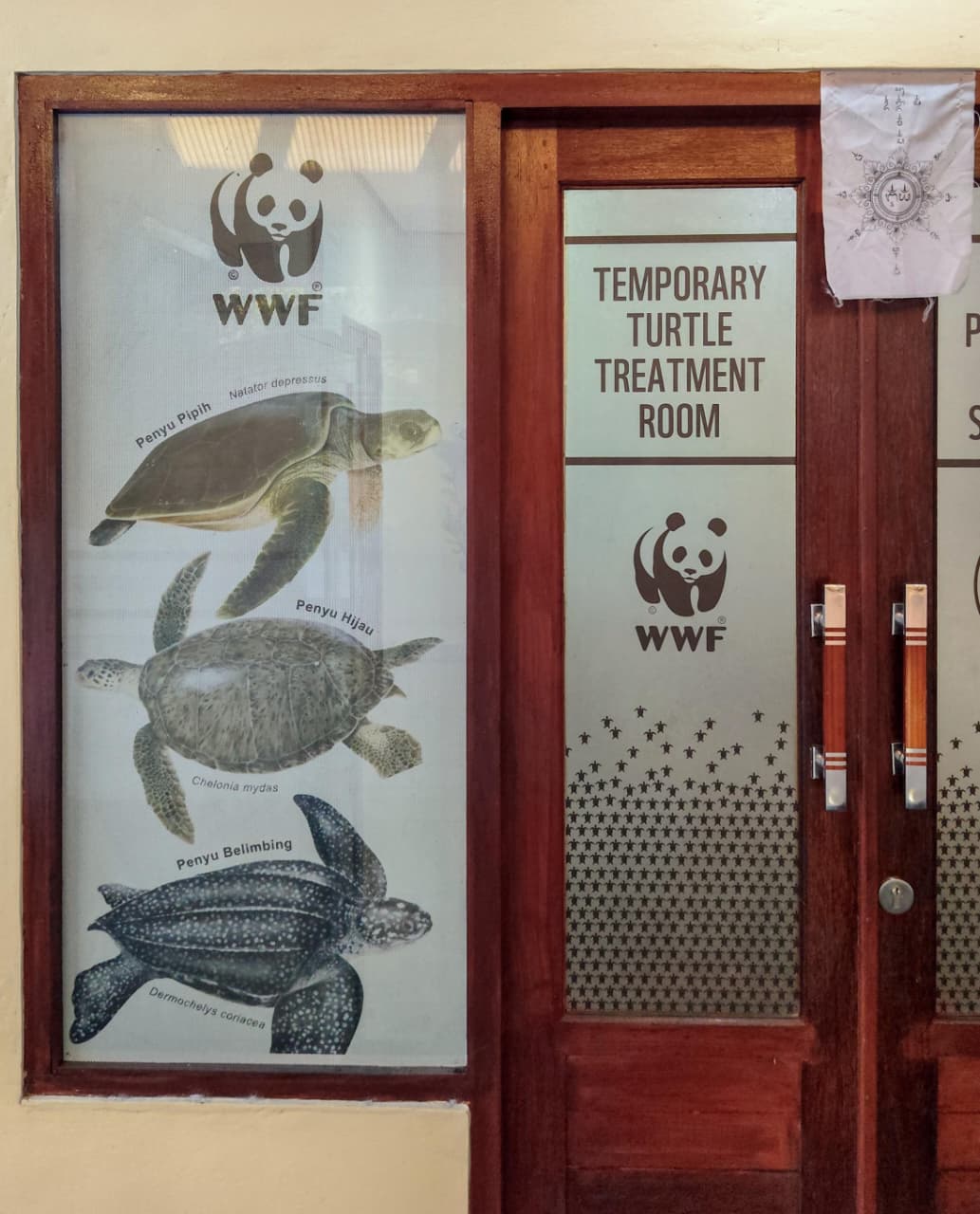
In fact, there are countless efforts being made by conservationists in the field, because, quite frankly, they are the ones on the front lines representing us in our efforts to restore the status of these protected species. Of course, all of this must be done collaboratively and across sectors, including the vital role of non-governmental organizations (NGOs). One example can be seen at the TCEC on Serangan Island, where WWF-Indonesia operates a temporary treatment facility for sea turtles that have just been rescued and typically require immediate care.
Between 2015 and early 2025, nearly 300 sea turtles have been treated here. Some were stranded sea turtles, while others were bycatch from fishing activities or confiscated in cases of wildlife trafficking and smuggling. Upon arrival here, the sea turtles undergo health examinations, disease diagnosis, and medical procedures—including surgeries—performed by veterinarians experienced in treating marine reptiles and wildlife. This entire process takes place before the sea turtles enter the next stage of rehabilitation. To put it simply, this facility is like an Emergency Room (ER) specifically for sea turtles.
And I think what we as members of the public can do is understand the do’s and don’ts, since there may come a time when we find ourselves alone in a location with vulnerable species like these sea turtles. After all, most of us will likely only encounter a sea turtle once or twice in our lifetime. So in that moment, the decisions we make in those first few minutes can mean the difference between helping or actually disrupting a process that is occurring naturally.