DEVELOPMENT OF THE ALOR MPA CENTER OF EXCELLENCE (COE) AS A LEARNING CENTER AND FOR CAPACITY BUILDING IN THE MANAGEMENT OF CONSERVATION AREAS
The marine area in the Alor Islands region has been designated as a conservation area through a Decree of the Minister of Marine Affairs and Fisheries of the Republic of Indonesia (Ministerial Decree No. 106 of 2023) regarding Marine Conservation Areas in the Alor Islands Region of East Nusa Tenggara Province. This area falls under the category of Marine Park, covering an area of approximately 277,072.6 hectares. This designation aims to protect biodiversity as well as the structure, function, and integrity of ecosystems; increase fishery yields to support food security; develop marine tourism; enhance knowledge and understanding of marine ecosystems; mitigate the impacts of global climate change; and support the improvement of the social and economic well-being of coastal communities in the Alor Islands and surrounding areas.
Based on the results of the 2023 Evaluation of Conservation Area Management Effectiveness (EVIKA), the management of the Alor Islands conservation area received a score of 88.20%, placing it in the gold category (sustainably managed). To maintain and further improve this achievement, human resource capacity must be strengthened through both formal and non-formal education. This capacity-building effort primarily targets stakeholders involved in the management of conservation areas and marine resources.
WWF Indonesia, together with the East Nusa Tenggara Branch Office of the Marine and Fisheries Service (KCD KP) in Alor Regency and Tribuana Kalabahi University, initiated the establishment of the Center of Excellence (CoE) for the Alor Marine Protected Area (MPA) in 2022, as a form of support for the vision and objectives of the conservation area. The KCD KP for Alor Regency currently serves as the manager of the Alor Islands and Surrounding Seas Marine Park. The Alor MPA CoE is based at Tribuana Kalabahi University, a local institution of higher education in Kalabahi, Alor Regency, East Nusa Tenggara. The Alor MPA CoE was developed as a center of excellence for integrated learning in the field of marine conservation area management, with a learning approach consisting of 70% practical training and 30% theory.
The Alor MPA CoE is intended for conservation area managers, MPA operators and practitioners, as well as academics in the marine and fisheries sectors. Through a practice-based learning approach, the CoE is expected to serve as a platform for enhancing the knowledge, skills, and capacity of stakeholders in supporting effective and sustainable conservation area management.
Implementation and Development of the CoE Program
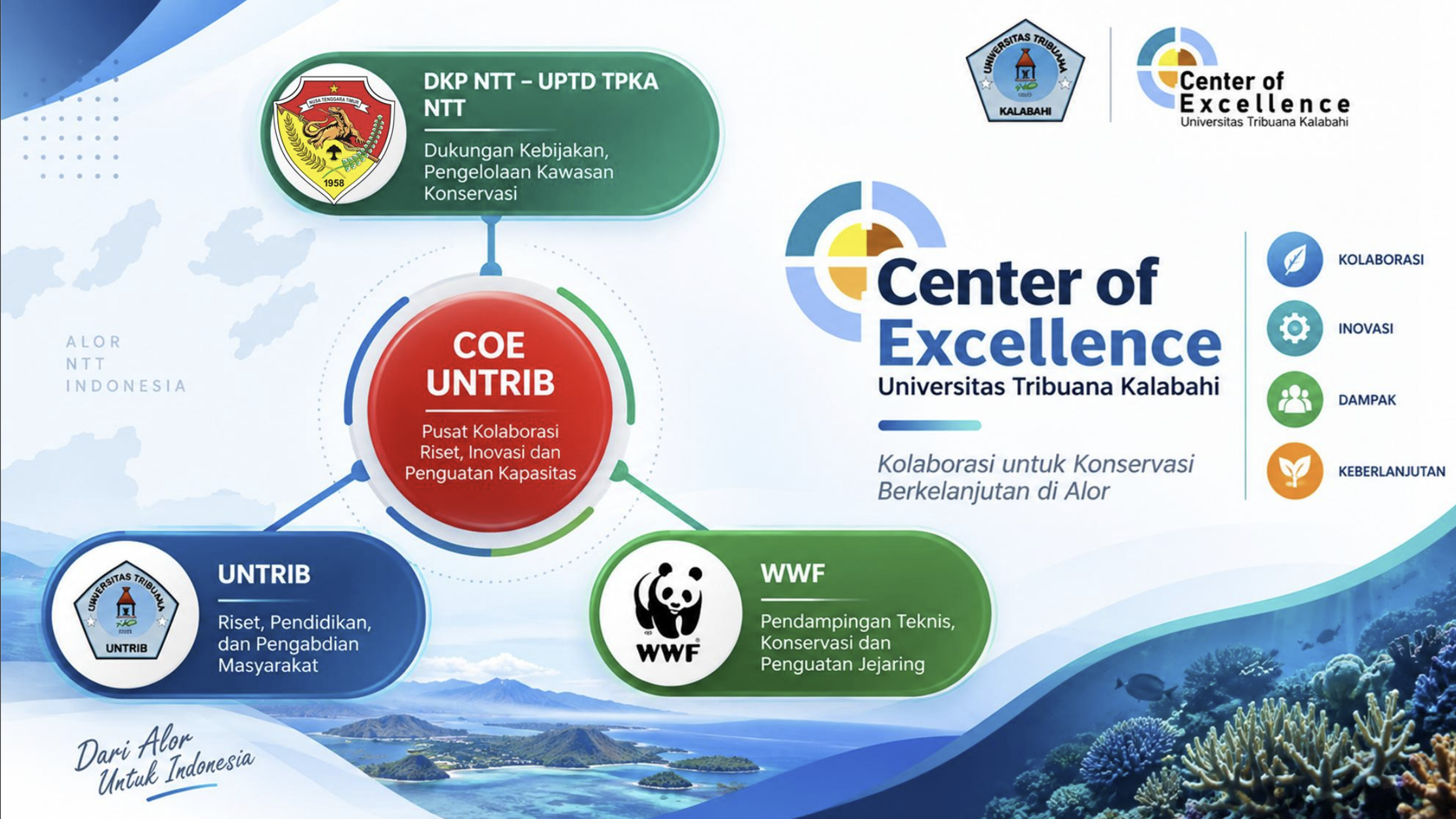
The Alor MPA CoE training was first held in 2024 and continued in 2025. The 2024 cohort consisted of 22 participants, including 7 women and 15 men. In the 2025 cohort, the number of participants increased to 27, 17 of whom were women and 10 were men. In its implementation, the CoE still faces challenges regarding the sustainability of its operational funding. In 2025, the WWF Indonesia Foundation, together with Tribuana Kalabahi University, began seeking more sustainable funding models.
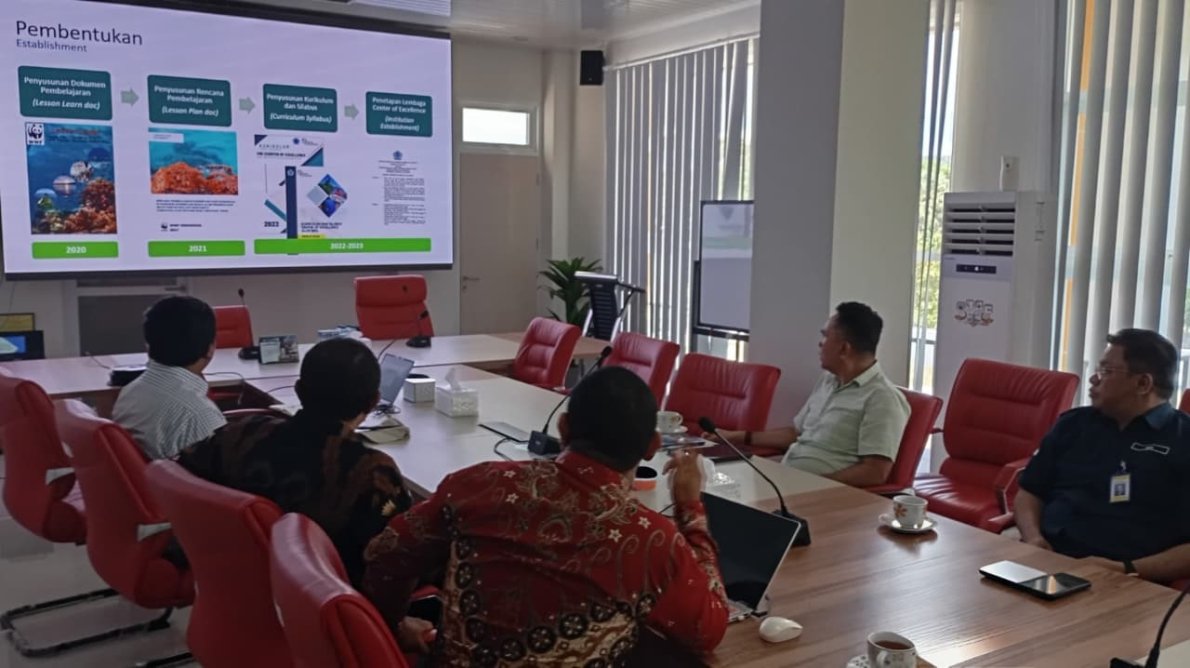
One approach is to promote the integration of the CoE’s learning programs into the curriculum of the Ministry of Higher Education, Science, and Technology (Kemdiktisaintek). To support these efforts, coordination and a presentation were conducted with the Higher Education Service Agency (LLDikti) Region XV in Kupang in March 2025. That meeting was subsequently followed up with plans for further meetings and presentations at the ministerial level. This effort is expected to open opportunities for aligning the Alor MPA CoE’s curriculum and syllabus with Kemdiktisaintek’s programs. If aligned, the Alor MPA CoE’s training and capacity-building programs have the potential to be integrated into the ministry’s programs in the future.
Tribuana Kalabahi University is a maritime-based institution of higher education. Therefore, alignment efforts are also being undertaken with programs of the Ministry of Marine Affairs and Fisheries (KKP) through the Agency for Marine and Fisheries Human Resources Development and Extension (BPPSDM KP). These efforts were followed up with a meeting in Jakarta in January 2026. This alignment opens opportunities for collaboration in organizing future CoE Alor MPA training; these opportunities are available for KKP training or capacity-building programs that are relevant to the CoE Alor MPA’s focus and curriculum. This collaboration is expected to expand the use of the CoE as a learning platform while supporting the sustainability of programs and human resource capacity building in the marine and fisheries sector.
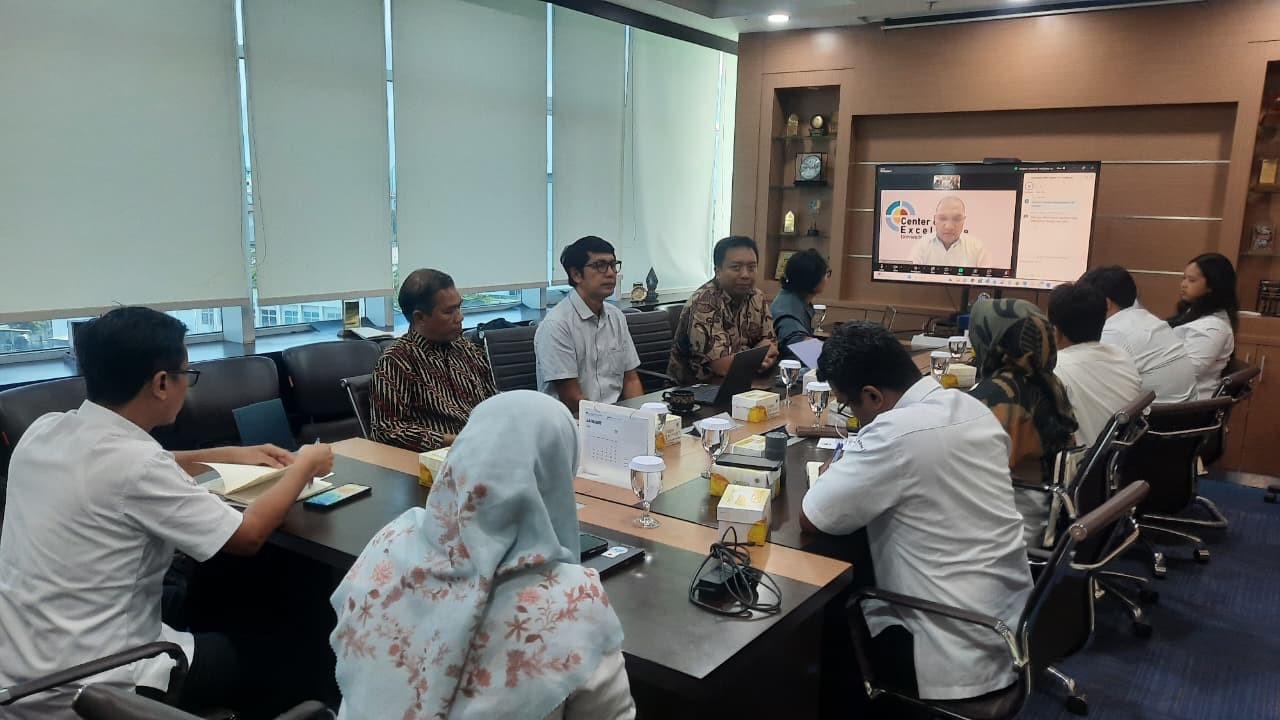
Efforts to diversify funding sources have also begun to be implemented in the CoE training program. In 2024, all training participants received scholarships from the WWF Indonesia Foundation. For the 2025 training, the CoE began offering participants the opportunity to enroll through self-funded enrollment. However, the majority of participants that year still received the same scholarships. That year, only one participant enrolled in the training through self-funded enrollment.
The Alor MPA CoE also offers opportunities for other agencies or programs wishing to use the CoE as a learning site. This approach serves as a strategy to expand the utilization of the CoE’s facilities and capacity while supporting the sustainability of its funding.
Implementation of the 2026 Lesser Sunda Seascape Regional Exchange (REX)
In 2026, WWF Indonesia Foundation, in collaboration with Tribuana Kalabahi University, developed the CoE’s curriculum and learning materials for the Lesser Sunda Seascape Regional Exchange (REX) program. This program will take place in June 2026, with the Alor MPA CoE serving as one of the learning locations. The costs for all participants and the operational needs of the activity are supported by Konservasi Indonesia and Conservation International as part of the SOMACORE (Solutions for Marine and Coastal Resilience in the Coral Triangle) project.
The 2026 CoE training was attended by 23 participants from various institutions, regions, and countries. Thirteen participants were from Indonesia, specifically from Jakarta, Makassar, Kupang, Maluku, and Belu Regency. The other ten participants came from Manatuto and Bobonaro in Timor-Leste. Fifteen of them were women. They included ministry officials, representatives from provincial and regency-level marine and fisheries agencies, academics, as well as community advocates and practitioners from coastal communities (local champions).
From 2024 to 2026, the Alor MPA CoE conducted three training sessions with a total of 72 participants, 39 of whom were women. The effectiveness of the training also improved year over year. Measured by the difference in scores before and after the training (N-Gain Score), participants’ knowledge increased from approximately 40 percent in 2024 to 57 percent in 2025, and then to 58 percent in 2026.
The Alor MPA CoE serves as a learning center at the local and national levels. Through REX, its role has begun to expand as a platform for the exchange of knowledge and experience in the management of conservation areas on a regional scale. WWF Indonesia and Tribuana Kalabahi University are also involved in collaborative efforts to manage conservation areas at the regional or transnational level.
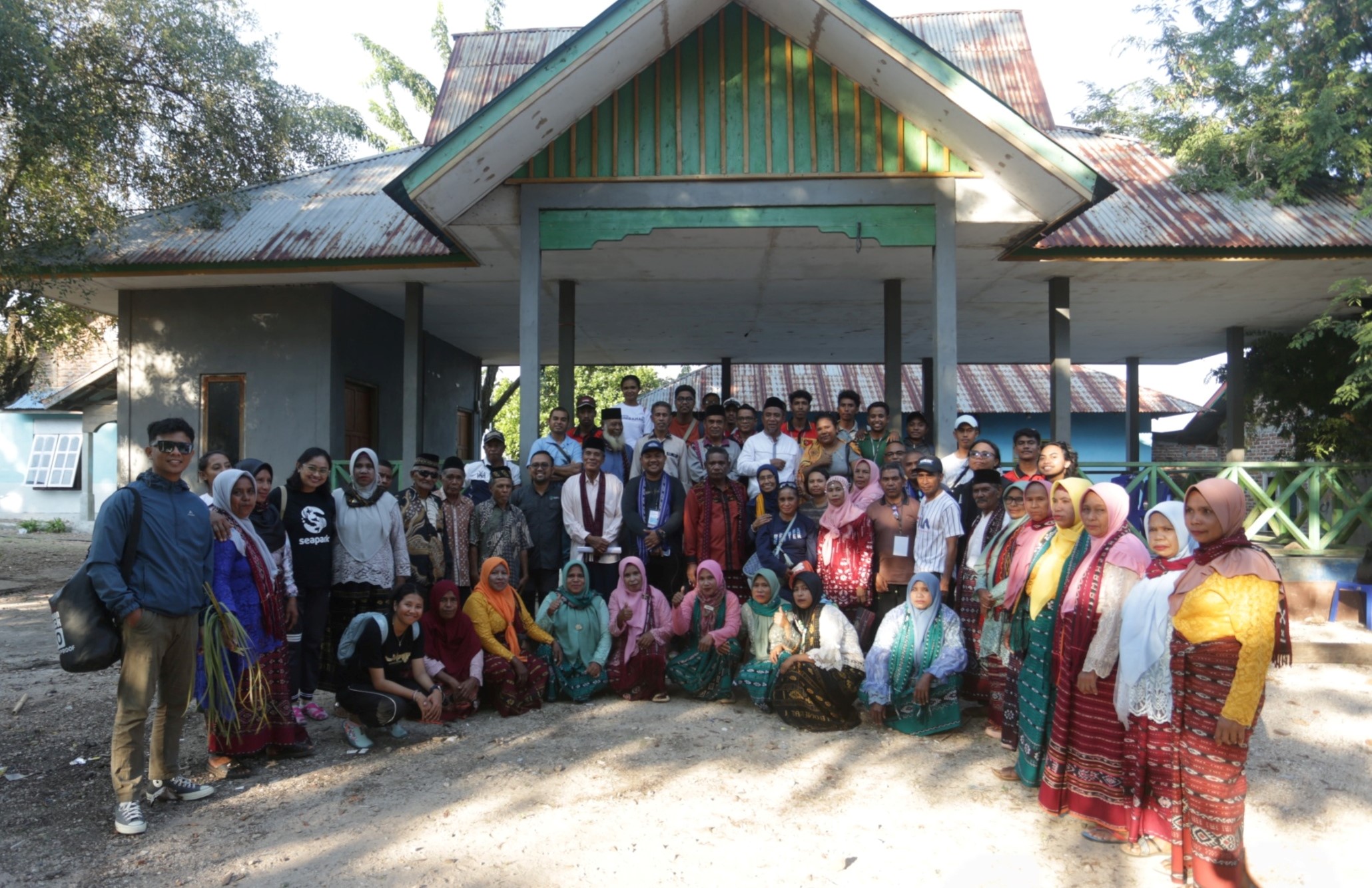
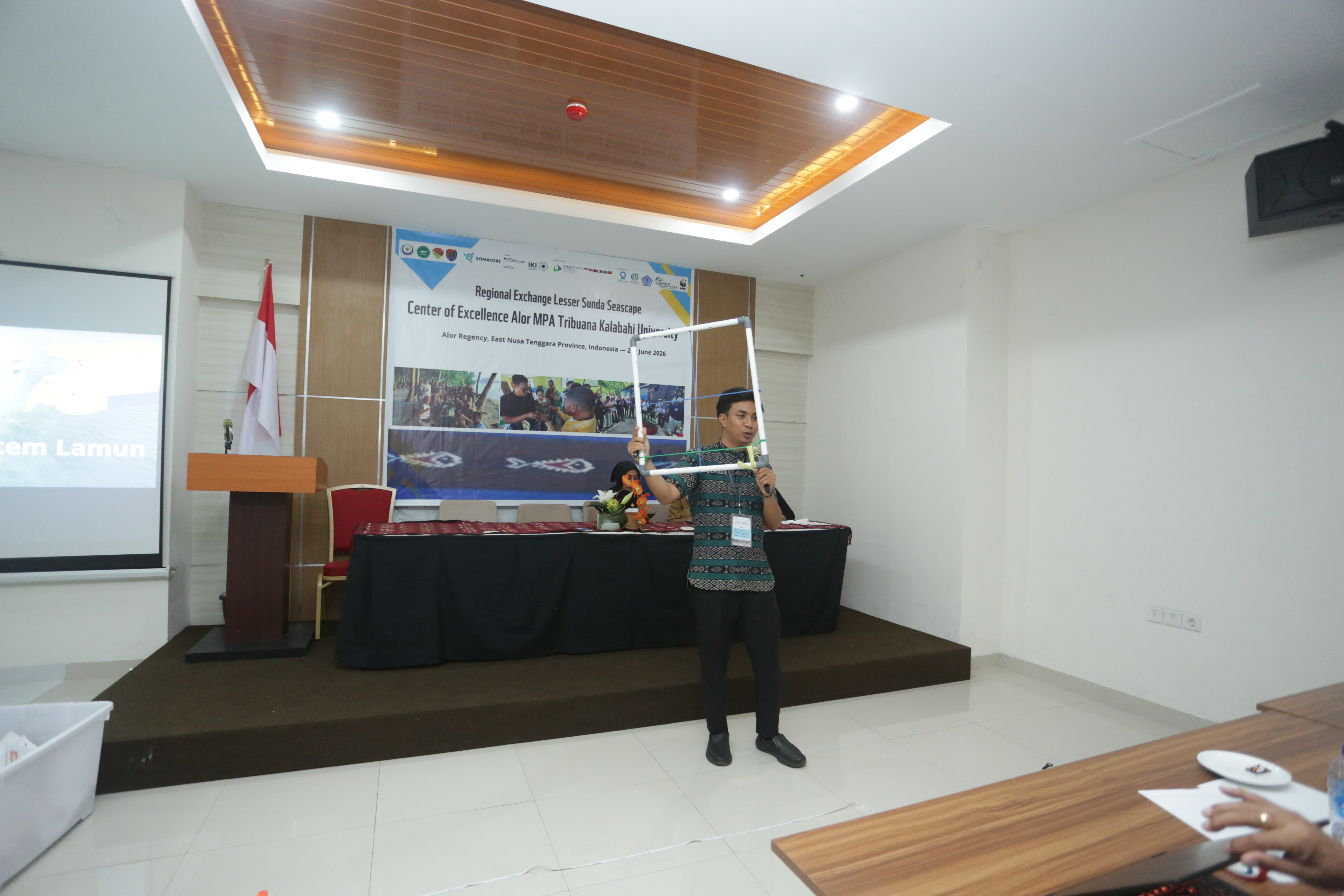
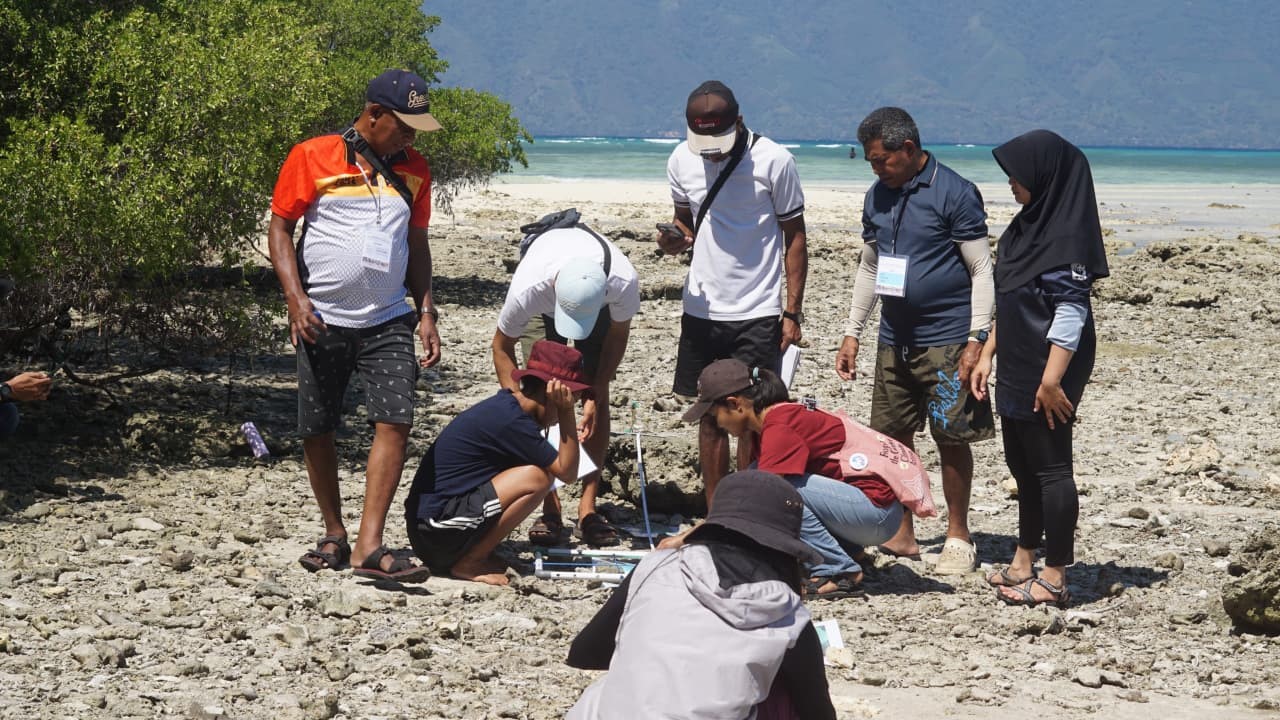
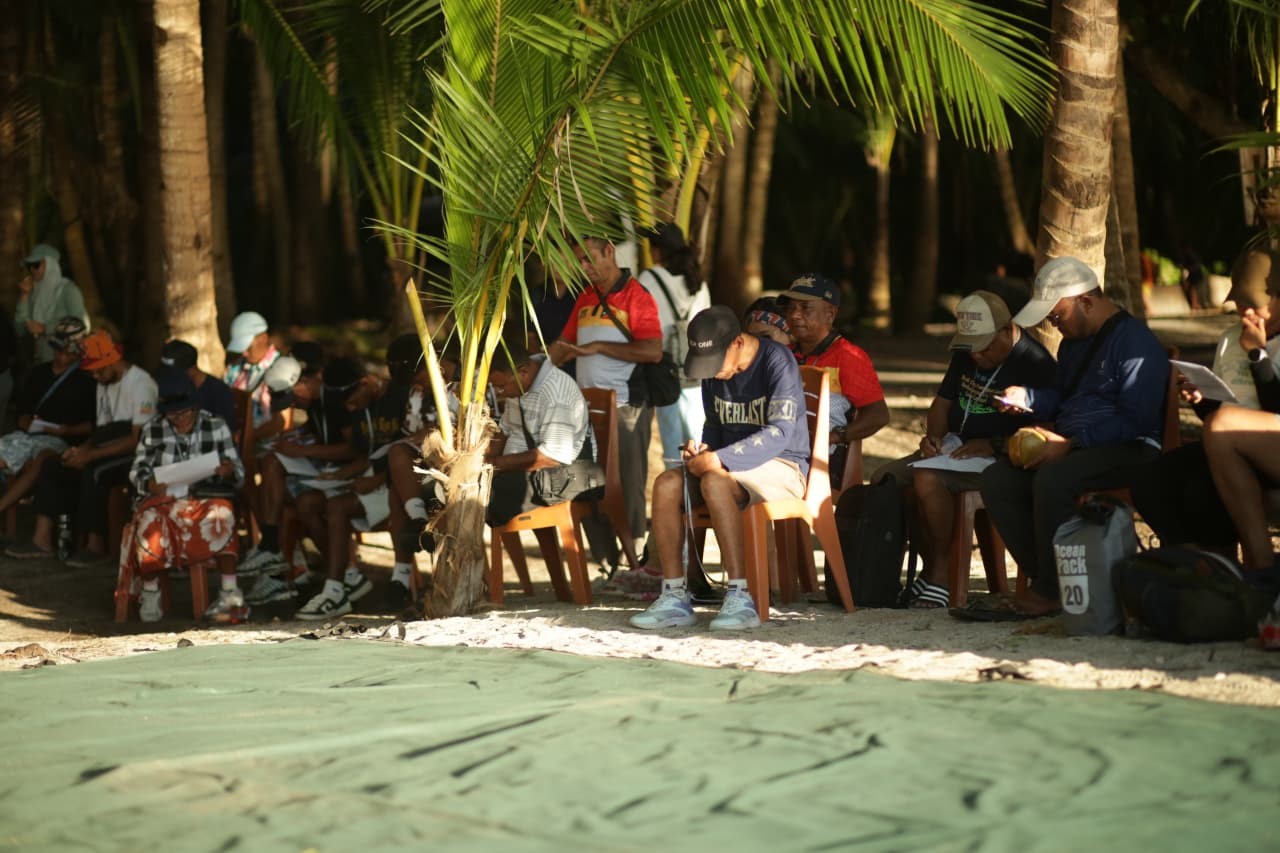
Implementation of the Lesser Sunda Seascape Regional Exchange (REX) at the CoE Alor MPA – Tribuana Kalabahi University in June 2026 ©CoE Alor MPA – Untrib
Sustainability of the CoE Alor MPA
Moving forward, the CoE Alor MPA will continue to be developed as a center for learning and capacity building in the field of conservation area management. Efforts will be made to ensure that training sessions continue annually, targeting a broader range of participants and involving multiple stakeholders.
At the same time, efforts to establish a sustainable financing scheme will continue through the diversification of funding sources, increased opportunities for collaboration with various agencies and programs, and the development of self-financing mechanisms. The integration and alignment of the CoE’s curriculum and syllabi with the programs of the Ministry of Education, Culture, Research, and Technology (Kemdiktisaintek) and the Ministry of Marine Affairs and Fisheries (KKP) will also continue to be promoted so that the Alor MPA CoE can develop as a sustainable, relevant, and well-connected center of learning at both the national and regional levels.