MITIGATING CLIMATE CHANGE THROUGH PEAT RESTORATION IN CENTRAL KALIMANTAN
Climate change is increasingly becoming a real threat to nature and communities. Mitigating climate change by reducing and eventually stabilizing levels of greenhouse gas emissions is key to the global fight against climate change. Peat or wetlands only form 3 percent of all land surfaces, yet emissions from burnt and drained peat makes up 10 percent of all carbon dioxide emissions from fossil fuel.
Emissions from peat have put Indonesia among significant emitters in the world. The total emission from the destruction of peat swamp forests between 2000-2005 is around 940 million tons of CO2 equivalent, according to a 2008 report by Indonesia Forest Climate Alliance (IFCA). This has been the result of the clearing and destruction of extensive areas of peat forests as well as the burning and decomposition that takes place on drained peat.
In the 1990s more than one million hectares of wetlands were drained as part of a government driven agricultural initiative in Central Kalimantan, Indonesia. During this time thousands of kilometers of drainage canals were built and large areas of peat land deforested. The majority of this agricultural production initiative failed, however most of the canals remain. This drainage has caused large areas of deforested peat land to both decompose and burn during annual large scale uncontrolled fires.
As part of a larger effort, WWF Indonesia joined hands with national and local authorities to establish the Peat Restoration project in Central Kalimantan to help reduce greenhouse gas emission from peat’s decomposition process and fires on drained peat areas. A key initiative of this effort is the canal blockings in the Sebangau National Park. Formerly a logging concession and illegal logging areas, where many drainage canals were built to transport logs, the area is now the largest protected peat forest area on the island.
The Sebangau Peat Ecosystem
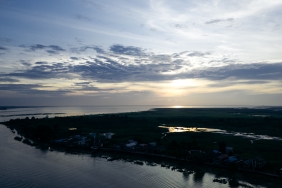
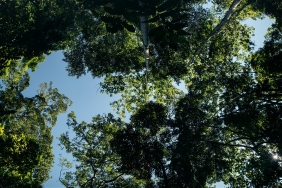
Stretching an area of 568,700 hectares, the Sebangau National Park marks the largest protected peat land of Indonesia’s Kalimantan. The dense forest area comprises of thick layers of peat that goes up to 10 meters deep.
The peat ecosystem serves as a water catchments area as well as freshwater reservoir for the surrounding areas, which covers the three regencies in the Province of Central Kalimantan, serving nearly 70,000 people.
Parts of the National Park used to serve as logging concessions, despite of the fact that it contains high value biodiversity. More than 800 plant species have been recorded in the area. It is also home to 150 bird species, 34 fish species and 35 mammal species including the Orangutan. The latest data revealed that more than 6,000 individual Orangutans live in the park, but they are under pressure in recent years as their habitat continues to shrink and fragment from seasonal fire, and illegal logging.
more info: download