HADING AND HOBA MULUNG: WHEN THE SEA IS ALLOWED TO BREATHE IN BARANUSA, ALOR
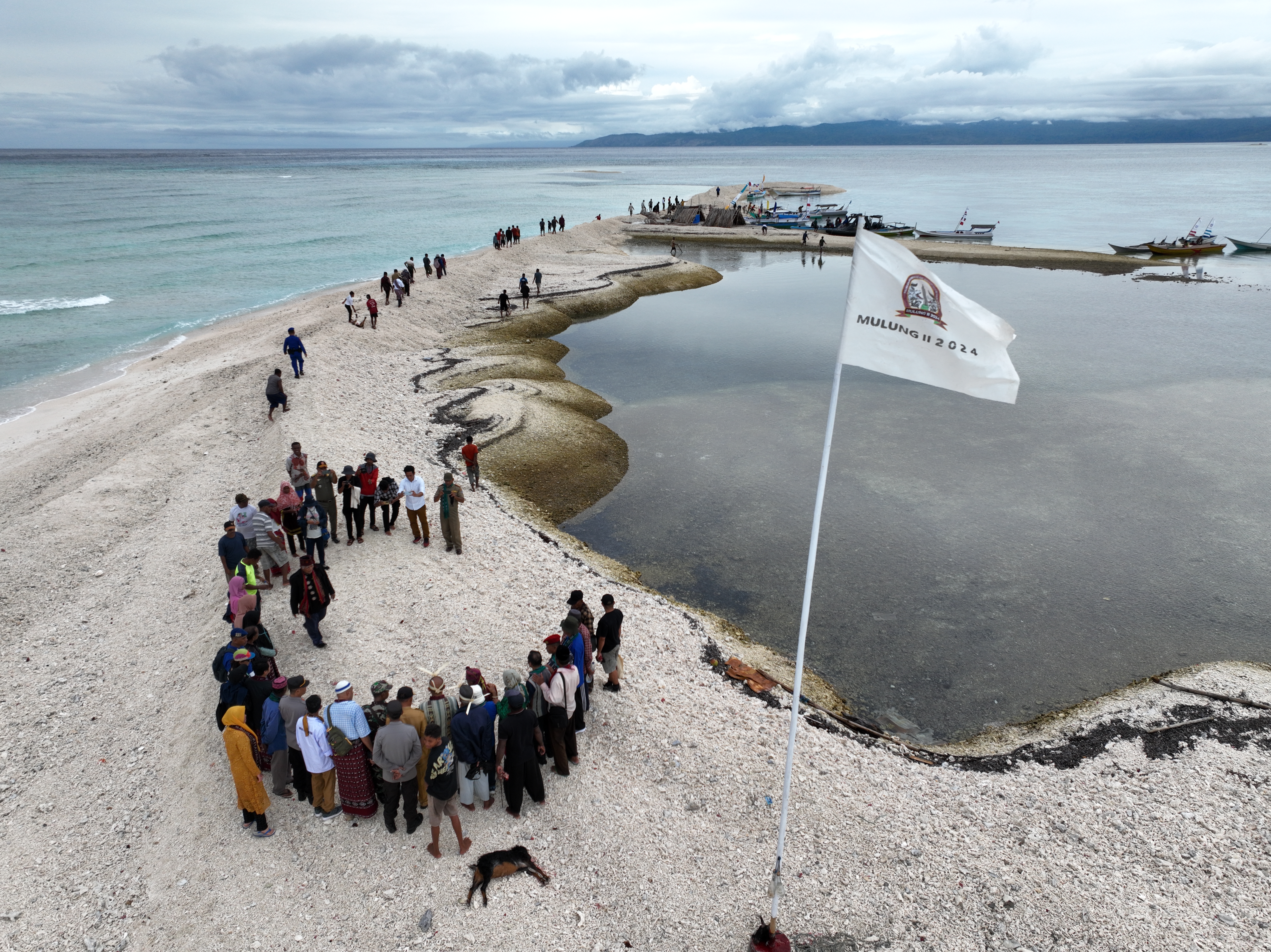
At the western end of Pantar Island, the sound of the waves combines with the prayers of the elders. Under the scorching sun, a group of fishermen plant a wooden pole on the beach. The pole is not just a sign, but a sacred symbol: the sea is closed for rest.
This ritual is known as Hading Mulung, a local wisdom of the Baranusa community to give the sea time to recover. For one to two years, no one is allowed to fish or disturb the ecosystem in the designated area. When the time comes, the Hoba Mulung ceremony is held to reopen the sea, accompanied by gratitude and prayers.
The Hading Mulung tradition is believed to have been passed down since the time of the Baranusa Kingdom in the 16th century. According to legend, the old kingdom sank due to a great disaster, and the spirits of its ancestors are now believed to guard the sea and everything in it.
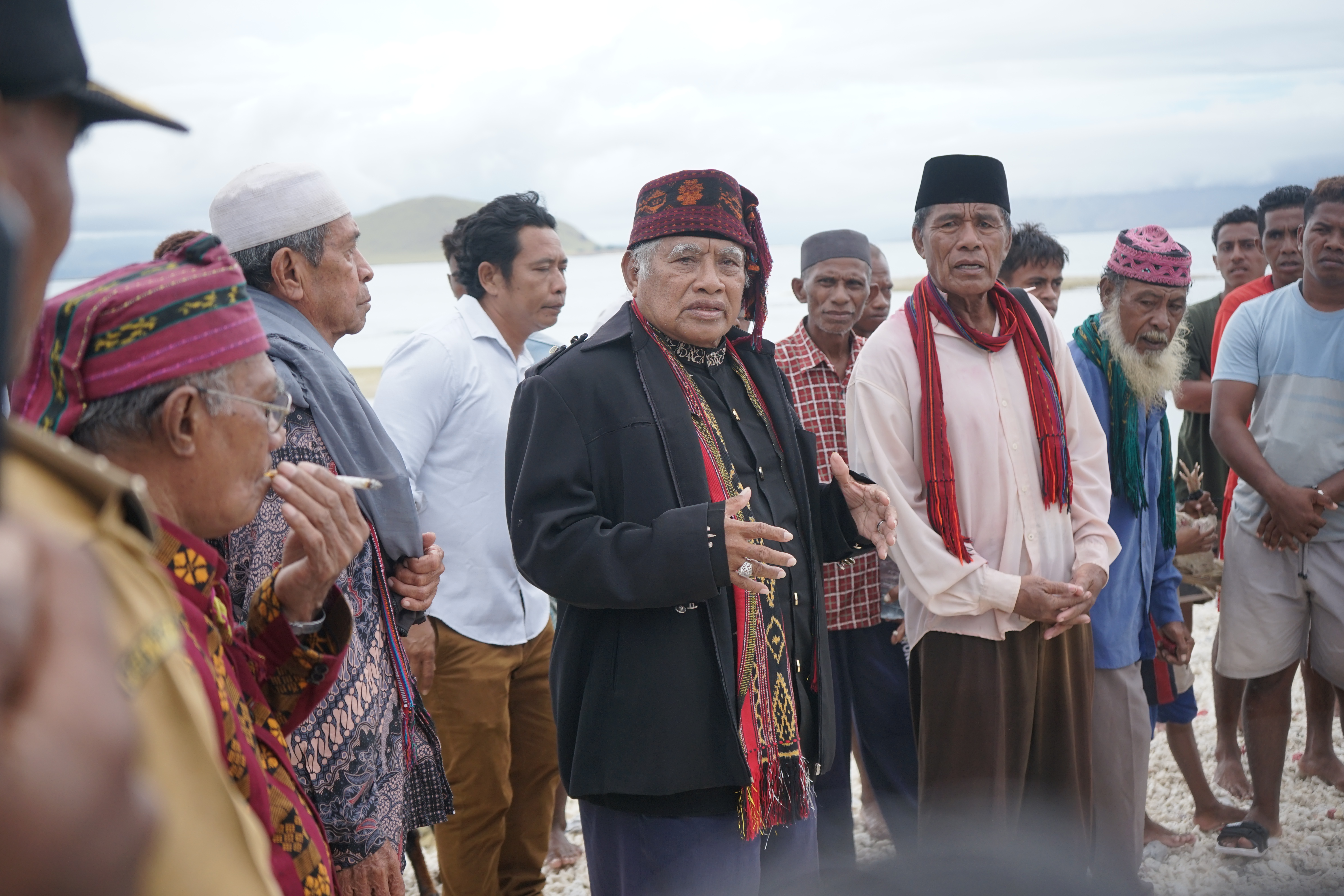
Photo by Yulyo Yudha Natalis
"The crocodiles in the sea are our ancestors. They are the guardians of the sea and humans. When the Hading Mulung mantra is chanted, crocodiles are believed to appear as a sign of ancestral blessing," said Pebin Pela, a traditional elder of the Sandiata tribe.
During the ritual, people bring offerings of two goats, three chickens, betel nut, rice and tobacco. Sacred mantras are chanted to summon the sea guardian spirits from the four cardinal directions, east, west, north and south to guard the closed area. Wooden poles planted on the coast symbolize the prohibition as well as a reminder that the sea is "breathing."
For the people of Baranusa, the sea is not just a source of livelihood, but part of the soul. Hading Mulung is not just a religious ritual or tradition, but a proven natural resource management system that maintains the balance of the marine ecosystem.
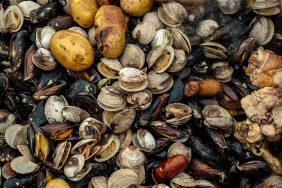
"Before Hading Mulung, if we dive, the rocks are empty, there are no fish. Now in one hour of diving, we can get millions of rupiah, the sea is alive again," said Latifola, a fisherman from Baranusa Village.
In between the fishing ban, the community turned to gardening, planting bananas, coconuts, and cashews. When the sea reopened, catches increased, coral flourished, and fish were plentiful. Prosperity increased without having to overexploit nature.
Hading Mulung is not only a customary tradition, but also has a strong spiritual basis. In the predominantly Muslim community of Baranusa, religious teachings and customs reinforce each other.
"Custom is based on religion, religion is based on sharia, and sharia is based on the Qur'an. Protecting the sea is worship, because nature is God's creation for humans," explained Samsudin Ndaara, Secretary of the Baranusa Customary Institution.
This principle is known as Papo Menong - love for God, for fellow humans, and for nature. The community believes that loving nature means loving the Creator. When a person damages the sea, he also damages himself.
Over time, the Baranusa custom has now received official recognition through Regent Regulation No. 18/2017 on the inauguration of customary institutions. Support has also come from various parties, including WWF-Indonesia, local government, and universities, with the aim of documenting and strengthening this custom-based conservation practice.
"From the kingdom, to the village government, to customary institutions, our goal remains the same: to save nature," Samsudin added.
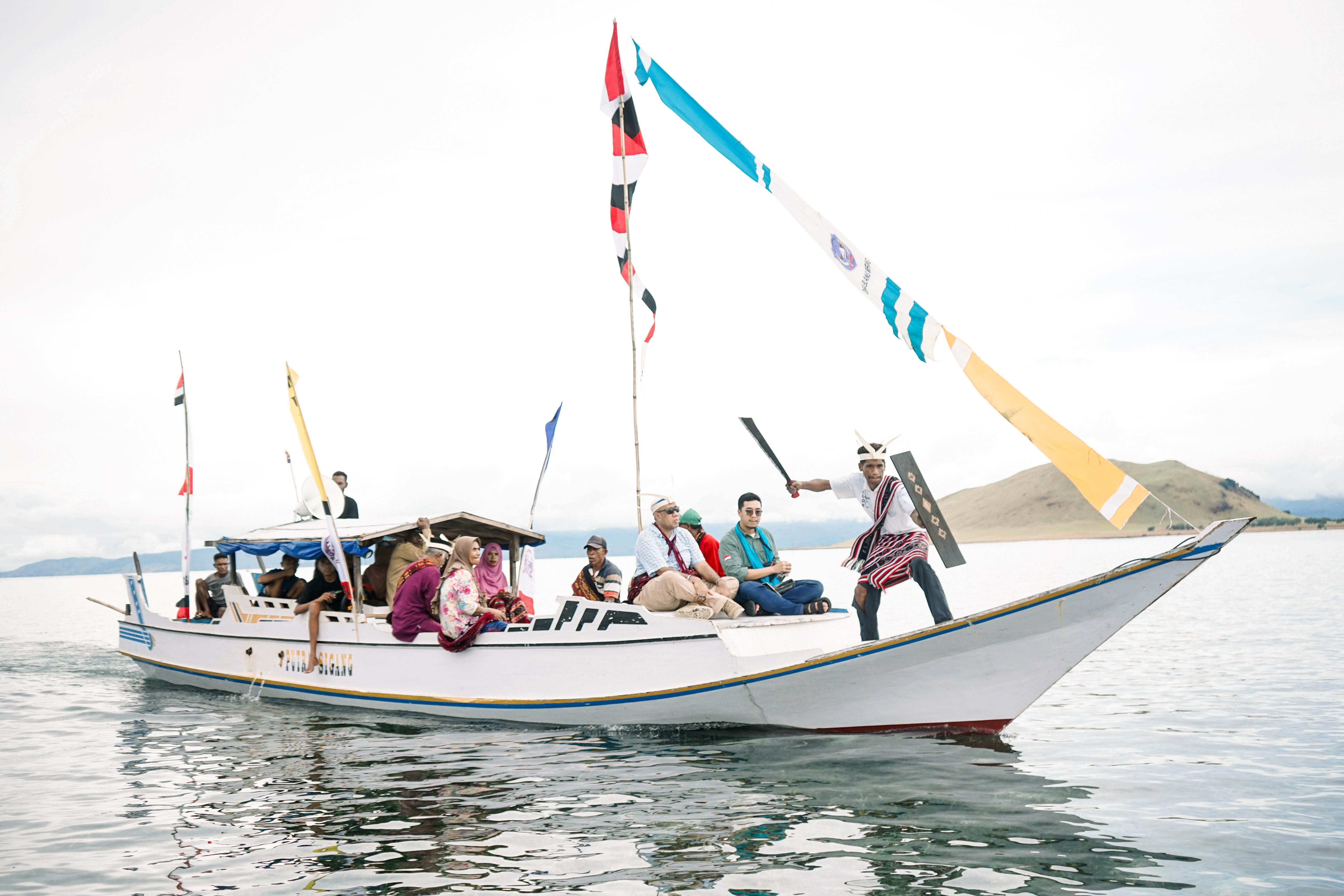
At every Hoba Mulung ceremony, Baranusa beach transforms into a celebration of life. Children play in the sand, mothers prepare food, fishermen prepare to return to the sea with expectant faces.
But for the people here, the catch is not the main measure. What matters most is that the sea recovers, the coral grows and the fish return.
"If we take care of the sea, the sea will take care of us." That message continues to be spoken from generation to generation, from the elders to the children running under the skies of Baranusa.
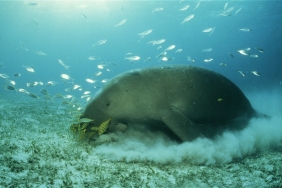
Participatory ecological monitoring in 2025 at the Baranusa LMMA showed that the Mulung customary practice had a positive impact on the marine ecosystem. In the Hading Mulung area, benthic substrate recovery was observed through an increase in hard and soft corals and a decrease in coral breaks, while fish abundance was recorded higher than in the control site. The fish community was dominated by key herbivore families, particularly Acanthuridae, indicating that ecosystem function was maintained.
Latifola, one of the Baranusa Village Fishermen, conveyed the benefits felt by the Mulung tradition "Before the Hading Mulung, the income per day was only around 200-300 thousand rupiah at most because fishermen went to sea only one night and immediately returned. But after Hading Mulung was implemented, the income increased significantly. In one night at sea, they can now earn 800-900 thousand rupiah, some even reach one million rupiah or more."
Hading Mulung is not just about closing the sea. It is about opening your heart, honoring nature, preserving your heritage, and ensuring that life continues to flow from the sea that still breathes.
Photo by Dede Walter Puka
About the Program
This story is part of WWF-Indonesia's efforts with the local government and indigenous communities in Alor Regency to strengthen local wisdom-based conservation. Through documenting the practice of Hading and Hoba Mulung, WWF supports sustainable and equitable management of coastal areas, while preserving the nation's cultural heritage.