NEW HOPE FOR SUMATRA’S ELEPHANTS AND TIGERS AS INDONESIA DOUBLES SIZE OF KEY NATIONAL PARK
Jakarta, Indonesia – The government of Indonesia today announced its commitment to enlarging one of the largest remaining block of forests suitable for Sumatran elephants, expanding the vital Tesso Nilo National Park on Sumatra island to 86,000 hectares by December 2008.
""This is an important milestone toward securing a future for the Sumatran elephant and tiger,"" said Dr. Mubariq Ahmad, WWF-Indonesia's Chief Executive. “To ensure that the commitment is effectively implemented, we must redouble our efforts on the ground to eliminate poaching and illegal settlements within this special forest.”
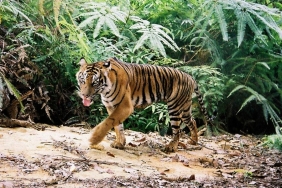
Tesso Nilo is one of the last havens of endangered Sumatran elephants and critically endangered Sumatran tigers. With more than 4,000 plant species recorded so far, the forest of Tesso Nilo has the highest lowland forest plant biodiversity known to science, with many species yet to be discovered.
Tesso Nilo National Park was created in 2004 in Riau Province, but only 38,000 hectares of forest were included. With today’s agreement, the government of Indonesia is to extend the national park into 86,000 ha by Dec 2008 and integrate an additional 18,812 ha into the national park management area of 100,000 ha.
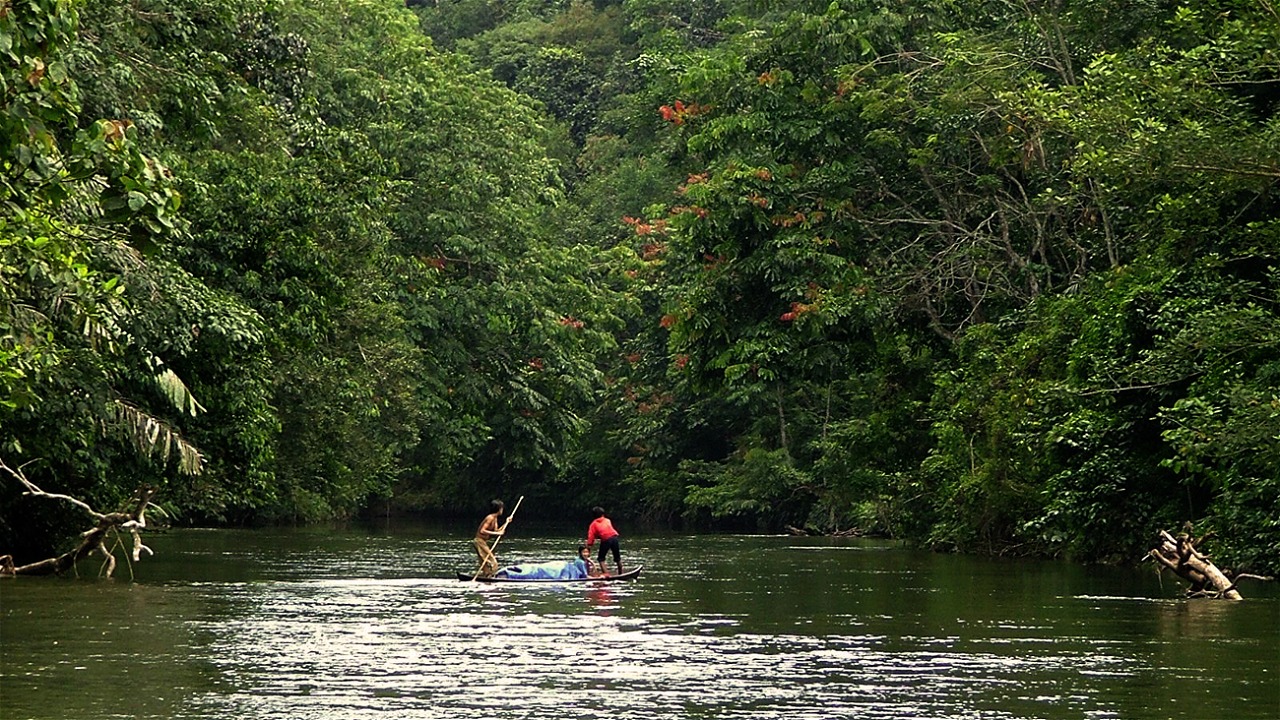
WWF has been supporting the government effort to extend and protect the park as the last block of lowland forest in central Sumatra large enough to support a viable elephant population. About 60 to 80 elephants are estimated to live there, along with 50 tigers. Tesso Nilo forests also provide source of livelihood for more than 40,000 people living in the surrounding 22 villages.
“Tesso Nilo is still under serious threat from illegal activities, but if we can protect the forests there, it will give some of Sumatra’s most endangered wildlife the breathing room they need to survive,” Dr Ahmad said.
“We greatly appreciate this precedent for more forest protection from the Indonesian government, and hope that it will also take care of some other areas on Sumatra that desperately need safeguarding for the sake of their wildlife and their threatened indigenous peoples, and to reduce the impact forest clearing has on all our climate.”
WWF helped establish and supports the Tesso Nilo Community Forum, run by all 22 local communities living in the buffer zone of the national park. The forum supports joint actions to protect the Tesso Nilo forest and gives the communities a unified and more influential voice in park management.
WWF is working with local communities that suffer from human-wildlife conflict as a result of disappearing forests in the province. A successful Elephant Flying Squad uses domesticated elephants and mahouts to keep wild elephants inside the forest and stop them from raiding village crops. WWF also promotes the planting of buffer crops that are not attractive to elephants to keep elephants in the forest.
###
For further information, please contact:
Desmarita Murni, WWF-Indonesia: +62 811793458) dmurni@wwf.or.id
Syamsidar, WWF-Indonesia, Tesso Nilo Program +62 8126896095 or syamsidar@wwf.or.id
Notes for Editors:
· Riau is home to an estimated 210 Sumatran elephants (the remainder of a 84 percent population decline in the past 25 years) and 192 Sumatran tigers (after a 70 percent decline in the past quarter century). The new boundaries of Tesso Nilo National Park are estimated to be home to 60-80 elephants and 50 tigers.
· Riau is home to two of the world’s largest pulp mills, owned by Asia Pulp & Paper (APP) and Asia Pacific Resources International Holding Ltd (APRIL). The province has lost more natural forest to pulpwood concessions than any other Indonesian province.
About WWF
WWF, the global conservation organization, is one of the world's largest and most respected independent conservation organizations. WWF has a global network active in over 100 countries with almost 5 million supporters.
WWF's mission is to stop the degradation of the earth's natural environment and to build a future in which humans live in harmony with nature, by conserving the world's biological diversity, ensuring that the use of renewable natural resources is sustainable, and promoting the reduction of pollution and wasteful consumption.