SCHOOL CAMPAIGN ON ORANGUTAN CONSERVATION IN SUNGAI SEDIK, KAPUAS HULU, WEST KALIMANTAN
By: Nancy Ariaini
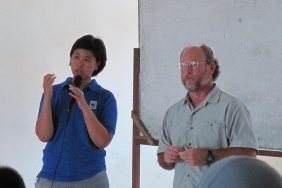
Kapuas Hulu (13/09)-About 300 students from seven schools in Batang Lupar District, Kapuas Hulu Regency, West Kalimantan participated in an orangutan campaign facilitated by WWF-Indonesia West Kalimantan Program Office. Each school sent their students to be involved in the three-day campaign that began on Thursday (10/09) until Saturday (12/09). All schools, from elementary to junior high schools, came together to learn more about environmental issues and to celebrate Indonesia's 64th Independence Day.
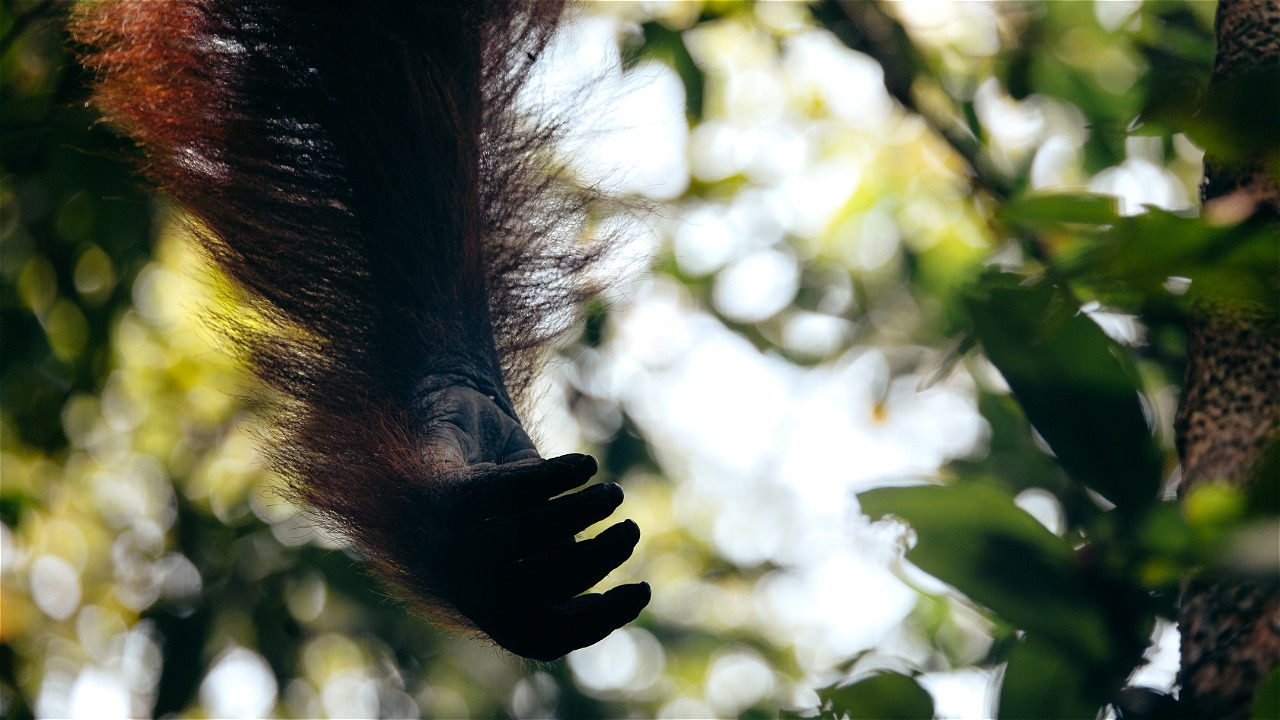
This campaign aims to build awareness among young people about the importance of forest conservation, especially orangutan conservation where orangutans can be an indicator of a healthy forest. It is hoped that a sense of pride in orangutans can grow among young people, considering that orangutans can only be found on the islands of Borneo and Sumatra.
The campaign activities were carried out with educational methods that can increase the knowledge, skills and creativity of students such as counseling on orangutan species, screening films with orangutan and environment themes, quiz competitions, letter writing competitions to President SBY, coloring and drawing competitions, poetry writing competitions, top games and volleyball matches. Meanwhile, junior high school students received brief training in photography and documentary filmmaking. Conservation-themed quizzes were an important part of the activities that could help quickly measure students' progress in absorbing the information conveyed during the campaign.
The teachers positively welcomed the campaign activities because it can increase awareness and pride for students towards the environment and protected endangered animals. It is hoped that this activity can be carried out regularly and sustainably. For WWF-Indonesia, the implementation of activities involving schools throughout the Batang Lupar sub-district can help to build and maintain a conservation network in the Labian-Leboyan River area starting from the upstream, middle, and downstream areas.
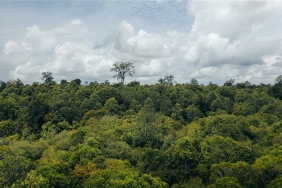
This is the third orangutan conservation campaign after previous campaigns in Ukit-ukit Village in September 2009 and Nanga Leboyan Village in October 2009. These villages are located along the Labian-Leboyan River, a natural link between Betung Kerihun National Park and Danau Sentarum National Park, which may have been connected in the past. Unfortunately, some forest areas have been lost and as a result pockets of orangutan habitat have become fragmented.
In West Kalimantan, at least 2000 orangutans reside in Betung Kerihun National Park and Danau Sentarum National Park, two important national parks in the Heart of Borneo, which are home and ideal habitat for the orangutan subspecies Pongo pygmaeus pygmaeus.
Threats to orangutans in these two areas and their corridors were identified as threats to habitat and threats to orangutan populations. Threats to habitat include excessive logging, conversion of forests to oil palm plantations and forest fires. To reduce the threats to the survival of this protected species, one effective way is to build public awareness about the importance of orangutan conservation efforts for the Pongo pygmaeus pygmaeus subspecies. Given that this subspecies only exists in the region (and also Sarawak), building community pride in Pongo pygmaeus pygmaeus and its presence in their area will go a long way towards protecting both the orangutan and its habitat.
Acang, a student from SDN No. 7 Sungai Sedik, who served as the master of ceremonies, read the closing sentence, "Friends and audience, I just found out that what WWF-Indonesia is doing in saving the environment, especially in the effort to save orangutans in their natural habitat, is very important." It is very important that this campaign is carried out.
It is important that this campaign conveys the important message of conservation to the children who will one day inherit our most precious treasure, Planet Earth. If orangutans are in the forest, the forest is in good condition. The more orangutans there are, the better the forest is. Forests are good for people, locally and globally.