APEC/WWF MEETING TO DISCUSS MANAGEMENT OF WORLD’S TUNA NURSERY
Media release
Embargoed October 21, 2008
APEC/WWF meeting to discuss management of world’s tuna nursery
As nations around the world call for a closure of collapsing tuna fisheries, experts will gather in Jakarta on Tuesday to discuss social, economic and sustainability challenges in the world’s tuna nursery known as the Coral Triangle.
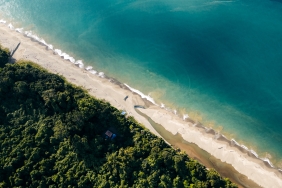
The Coral Triangle is scientifically described as a region bounded by the countries of Indonesia, Malaysia, Papua New Guinea, the Philippines, the Solomon Islands and Timor Leste.
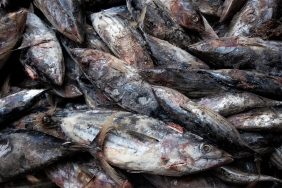
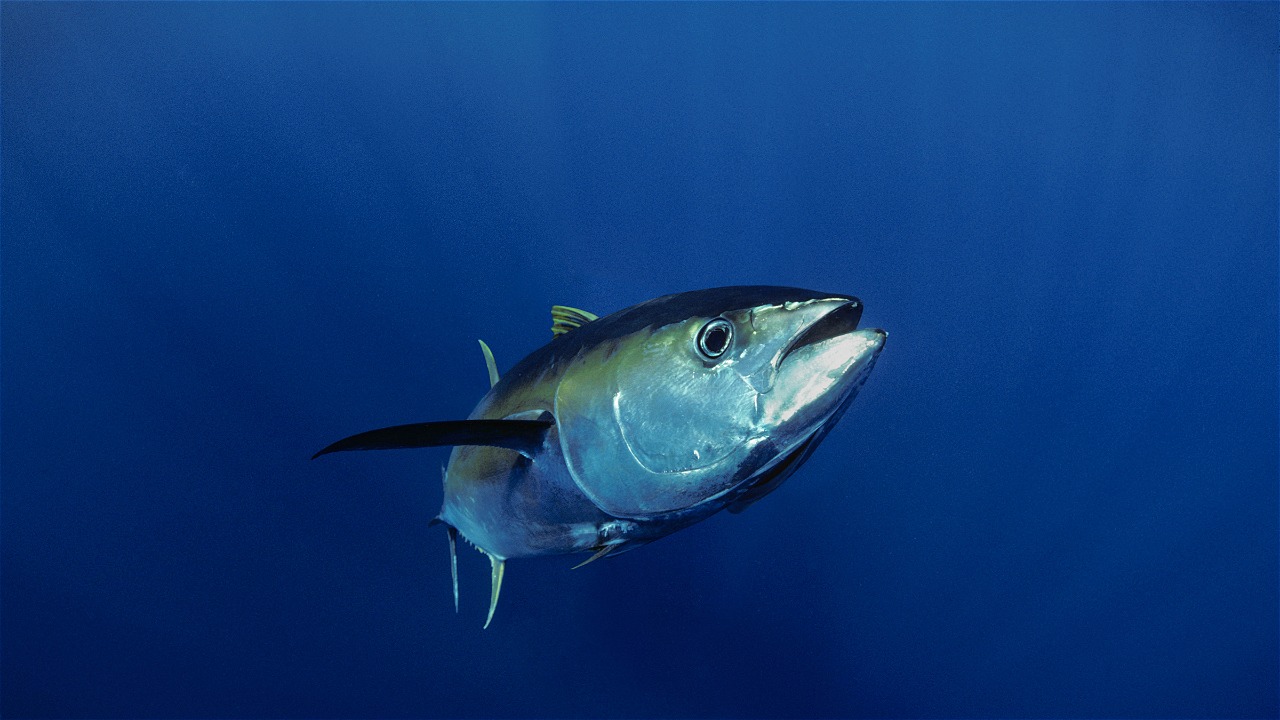
It contains spawning and nursery grounds and migratory routes for up to 89 per cent of the world’s tuna catch, including southern bluefin, bigeye, yellowfin, skipjack and albacore tunas from the Indian, Southern and Pacific Oceans.
Overfishing, competition for a shared and limited resource, bycatch of juveniles, and a lack of funds to establish more sustainable management systems have resulted in an alarming decline of tuna stocks in the Coral Triangle, and have added to global economic pressures from collapsing tuna stocks in the Meditteranean and Atlantic.
“Management of tuna fisheries in this part of the world has massive implications for the entire planet, as most of the world’s tuna either spawns or completes critical early lifecycle phases here,” said Dr Jose Ingles from WWF’s Coral Triangle program.
“Tuna is a commercial icon and has provided the foundation for entire economies in some countries. Equitable management measures are urgently needed in this region to avoid a crisis of global proportions,” he said.
“We simply can not let our tunas in the Coral Triangle follow the path of the other fish stocks such as the cod and the Mediterranean bluefin tuna.”
Last week key fishing state Spain and key tuna market Japan joined with a number of other countries to back a closure of the Mediterranean bluefin tuna fishery until overfishing could be brought under control and its main spawning grounds protected.
Preventing the collapse of tuna stocks in the Coral Triangle through sustainable management models, and factoring in the true cost of tuna fishing – beyond the operating costs of fuel, labour and supplies to include costs to ecosystem services - will be among the issues discussed at the international forum, which is sponsored by APEC, hosted by the Indonesian Government, and supported by WWF, the international conservation organisation.
“With tuna populations at the brink of collapse in other parts of the world, the attention of tuna fishing fleets and buyers is likely to increase here, and because tuna in the Coral Triangle has already declined dramatically in some areas, serious steps need to be taken to prevent further collapse and disappearance of tuna from menus around the world,” Dr Ingles said.
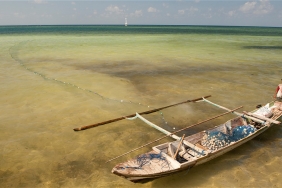
“Locally, collapsing stocks also have dramatic social consequences, such as in the Philippines where fishermen are being forced out of work or have to travel much further distances to catch quotas, adding to pressures from rising petrol costs,” Dr Ingles said.
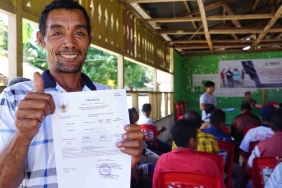
The workshop will explore more sustainable approaches to managing declining stocks, such as shifting from an open access fishing arrangement to more rights-based management systems. It will also explore some of the biggest tuna management challenges, such as the problems with traceability of tuna and ensuring profits are returned to fishing communities to fund more sustainable practices.
Included among the participants will be the Director of the Australian National Centre of Ocean Resources, Professor Martin Tsamenyi, Managing Director of the Papua New Guinea National Fisheries Authority, Sylvester Pokajam, Vice President of global seafood giant Anova, Blane Olson, as well as representatives from the Tuna Commission Indonesia .
A press conference will be held in SUMBA B Room, 3rd Floor, Borobudur Hotel, Jakarta at 10 am on Tuesday October 21.
For more information:
Charlie Stevens, Media Manager, WWF Coral Triangle Programme, +61 (0)2 8202 1274, +61 (0)424 649 689, cstevens@wwf.org.au
ENDS
-----------------
Editors note:
• The Coral Triangle is the most diverse marine region on the planet, matched in its importance to life on Earth only by the Amazon rainforest and the Congo basin. Defined by marine areas containing more than 500 species of reef-building coral, it covers 5.4 million square kilometres of ocean across six countries in the Indo-Pacific – Indonesia, Malaysia, Papua New Guinea, Philippines, Solomon Islands, and Timor-Leste.
• The Coral Triangle also directly sustains the lives of nearly 130 million people and contains key spawning and nursery grounds for tuna, while healthy reef and coastal systems underpin a growing tourism sector. WWF is working with other NGOs, multilateral agencies and governments around the world to support conservation efforts in the Coral Triangle for the benefit of all.
• For information on the Coral Triangle go to: www.panda.org/coraltriangle