TOWARDS AN EQUITABLE ENERGY TRANSITION: THE START OF PILOT BIODIVERSITY SAFEGUARD IMPLEMENTATION AT PLTA KOTO PANJANG, RIAU
Hydropower development was born out of the need for energy that drives life and economic development. However, behind the electricity that is created, there is a balance of ecosystems that support it, from upstream forests, river flow, to biodiversity that maintains landscape stability. This is where safeguards come in: ensuring that renewable energy is not built at the expense of its own ecological foundations.
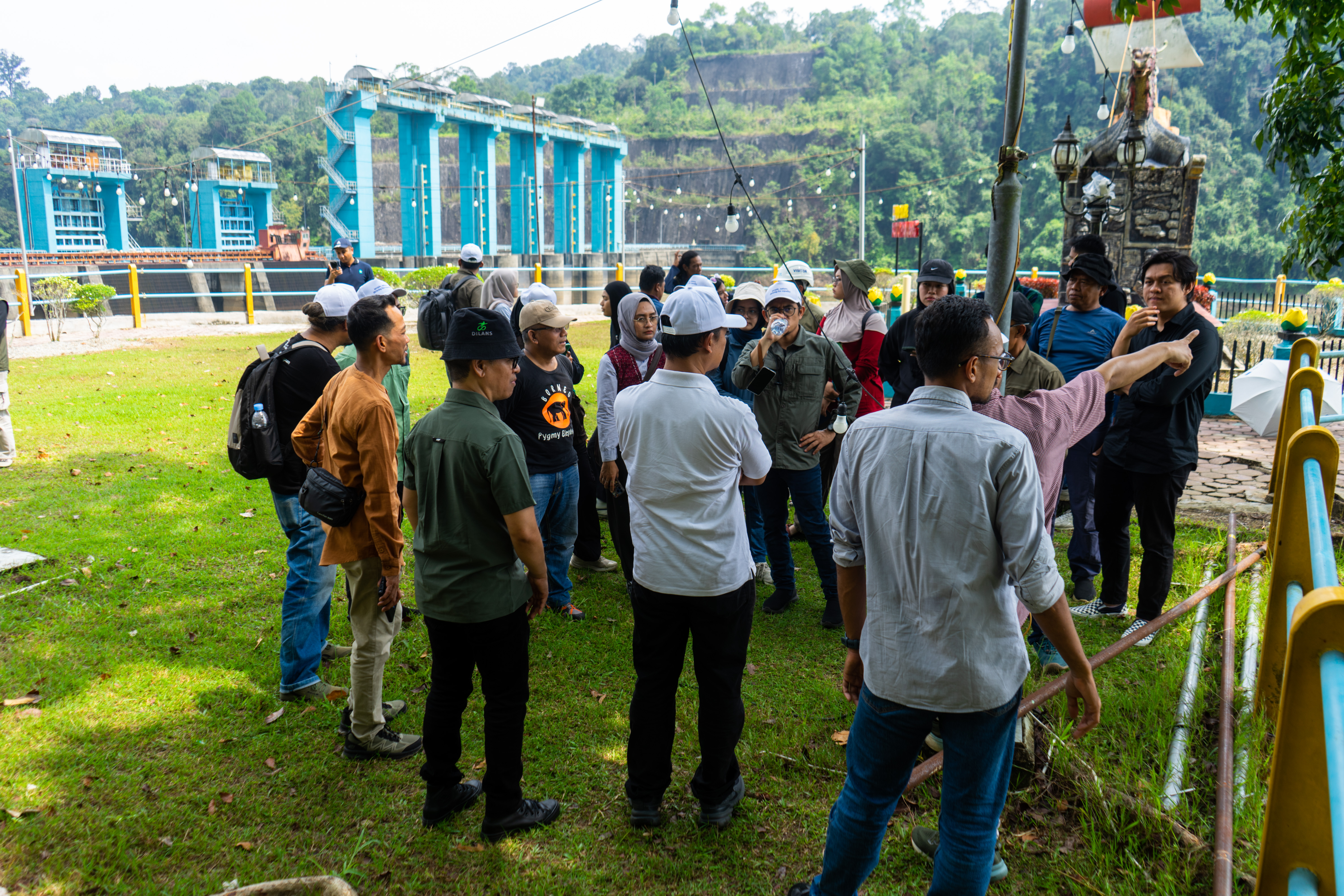
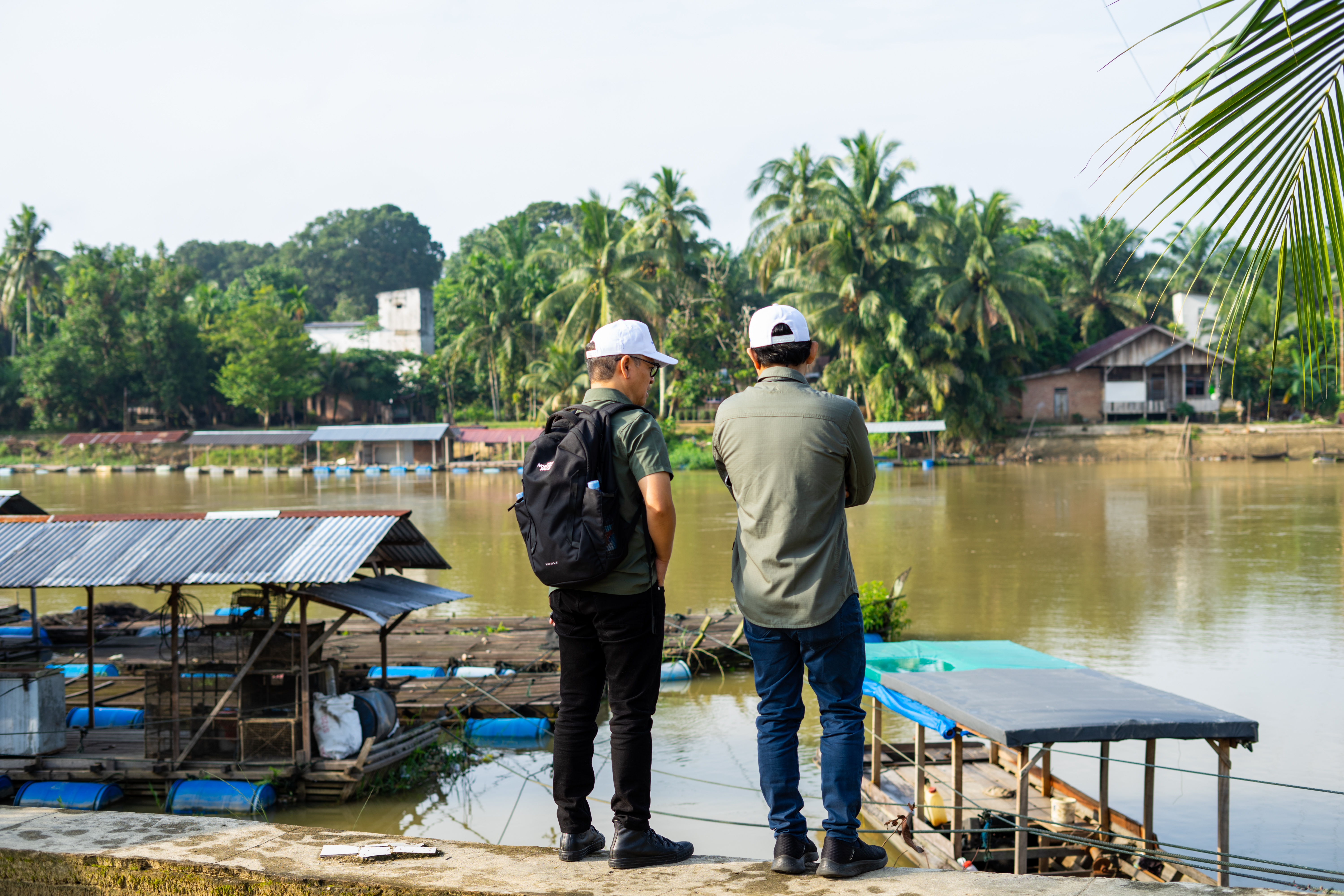
The Koto Panjang Hydroelectric Power Plant (PLTA) has been designed since 1979. It utilizes the flow of the Batang Maek River, stretching from Lima Puluh Kota Regency in West Sumatra Province to the Batang Kampar River in Riau Province. More than just providing electricity, the hydropower plant has shaped the dynamics of life, both for the people who depend on water resources, and for the ecosystems that support its operations. However, the fundamental question is: how to ensure that all of this works in harmony? As part of Indonesia's efforts to achieve its net zero emission target, the development of renewable energy, such as hydropower, is an urgent need.
In the framework of an equitable energy transition, we are not only talking about reducing emissions, but also about other aspects that are equally important, both for humans and the environment. This means that the development of energy infrastructure is able to minimize social and ecological impacts, and become part of the sustainability of the natural systems that support it. In this case, hydropower operations are highly dependent on the health of forests, water quality and surrounding habitats. On the other hand, hydropower also has an impact on river ecosystems and supporting areas if not managed properly. Therefore, the implementation of biodiversity safeguards is an important step to ensure that renewable energy remains in line with the protection of landscapes and the lives of surrounding communities.
With the support of the European Union, WWF-Indonesia initiated a biodiversity protection pilot at Koto Panjang Hydropower Plant by collaborating with PT PLN (Persero) and Rimba Satwa Foundation as local partners who will play a role in implementation at the site level. This collaboration is designed as a shared learning space to integrate biodiversity safeguard principles into renewable energy management practices, with an approach that is contextualized to local conditions.
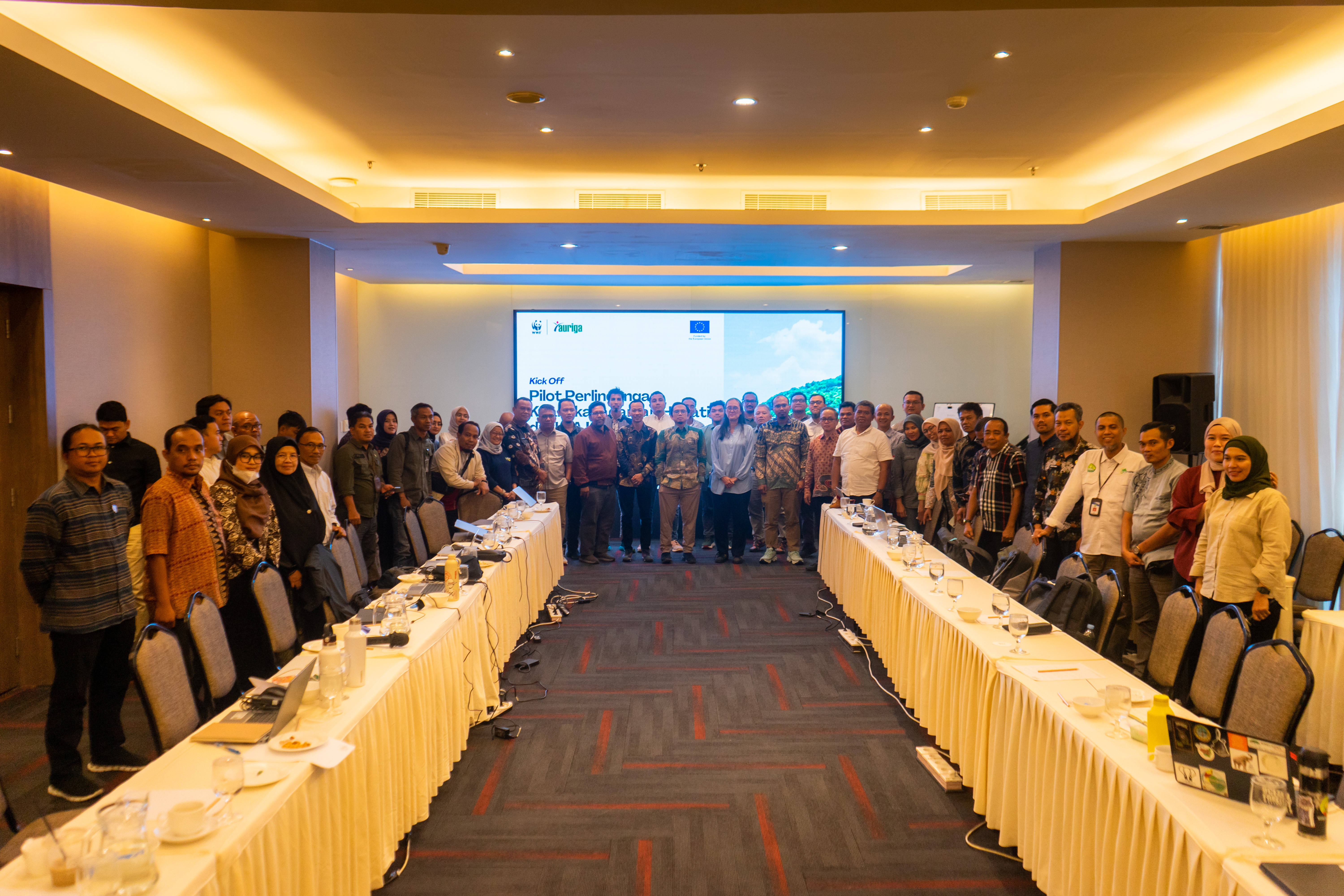
The pilot series began on February 5, 2026 with a kick-off meeting that brought together WWF-Indonesia, Rimba Satwa Foundation, PT PLN (Persero), and relevant stakeholders around the area. This meeting was the starting point to harmonize understanding and build a shared commitment that biodiversity protection is not just an additional agenda, but an inherent part of equitable hydropower management.
Going forward, the pilot series will run through a multi-stakeholder collaborative process, from the development of a locally appropriate biodiversity safeguard plan to the implementation of concrete actions on the ground. Rimba Satwa Foundation plays a strategic role in bridging this process, especially in ensuring that the voices of stakeholders, local knowledge and needs at the site level are fully integrated into each stage of the pilot. This is in line with the spirit of the Enabling Civil Society on Just Energy Transition project, which believes that civil society organizations play an important role in equitable energy transition at every level.
Ultimately, these pilots are expected to not only generate technical learning, but also demonstrate that the future of energy does not have to be a choice between light at home and sustainability. Both can go hand in hand when the energy transition is designed with ecological sustainability, social justice, and the leadership of local actors on the ground in mind.