CLEAN WATER AND HUMAN LIFE
Water is a basic human need. It is a common assumption that where we find water, there is hope for life.
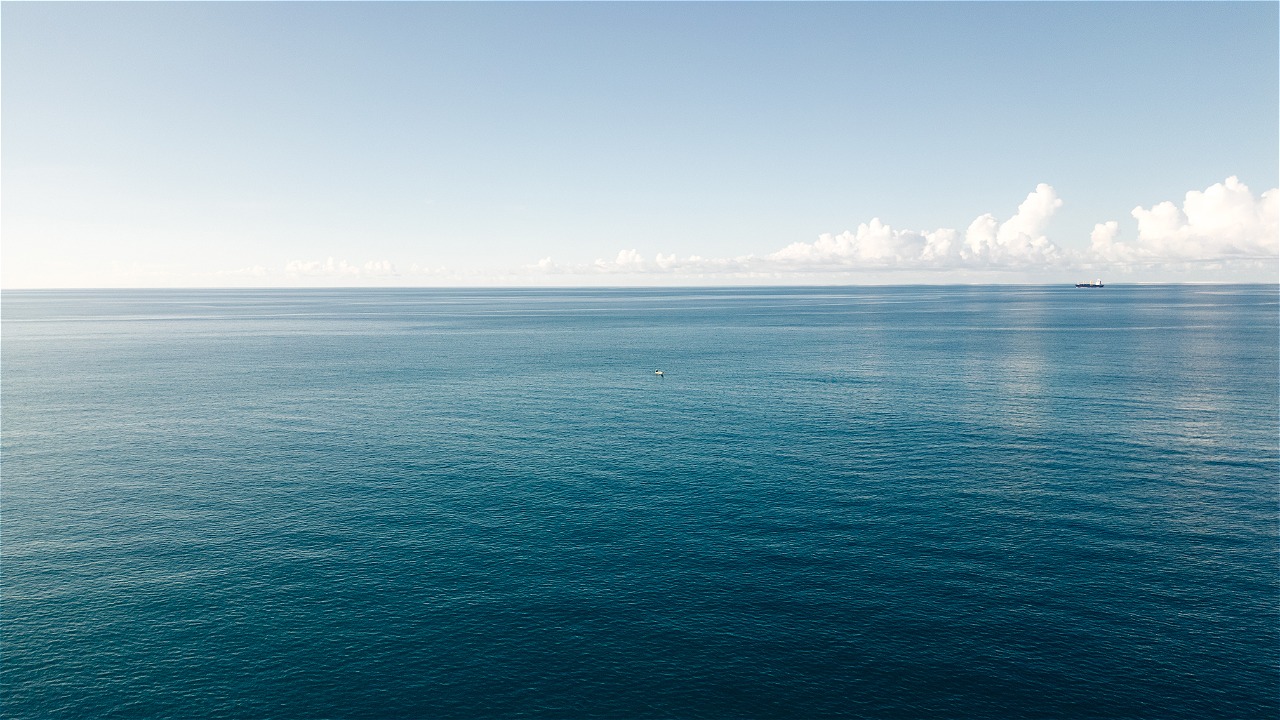
On Earth, the largest body of water is found in the ocean at 97 percent and the remaining 3 percent is fresh water that we use to support our daily lives. Of that fresh water, two-thirds is glaciers and polar ice that stabilize the global climate and only one-third of it can be used by the world's 7 billion people (2011).
Freshwater is the most important thing for our well-being. Like a giant engine or the blood in our body, water works day and night. The water cycle and its inherent ecosystems are a major factor for the life of the planet. In human life fresh water is used for drinking, food processing, bathing, energy, transportation, agriculture, industry, and recreation.
The limited amount of water and the increasing number of humans have led to a clean water crisis. In addition to the amount, the quality of existing fresh water is deteriorating. The competition for clean water for various uses has led to the loss of proper access to clean water for some people. Wasteful behavior of clean water causes more and more people to lose access to clean water.
According to the United Nations, more than one billion people do not have access to clean water, three billion people do not have adequate sanitation services, and the death toll from waterborne infectious diseases is three million deaths per year.
In addition to people living in areas with poor water availability, poor water quality means that those living near water bodies also have difficulty accessing clean water and good sanitation. Pollution of river water, such as for industry, agriculture, and domestic activities adds to the burden of the river so that it is no longer able to provide humans living along the river with good quality water. Riverbank dwellers are currently forced to utilize dirty water for daily activities.
.